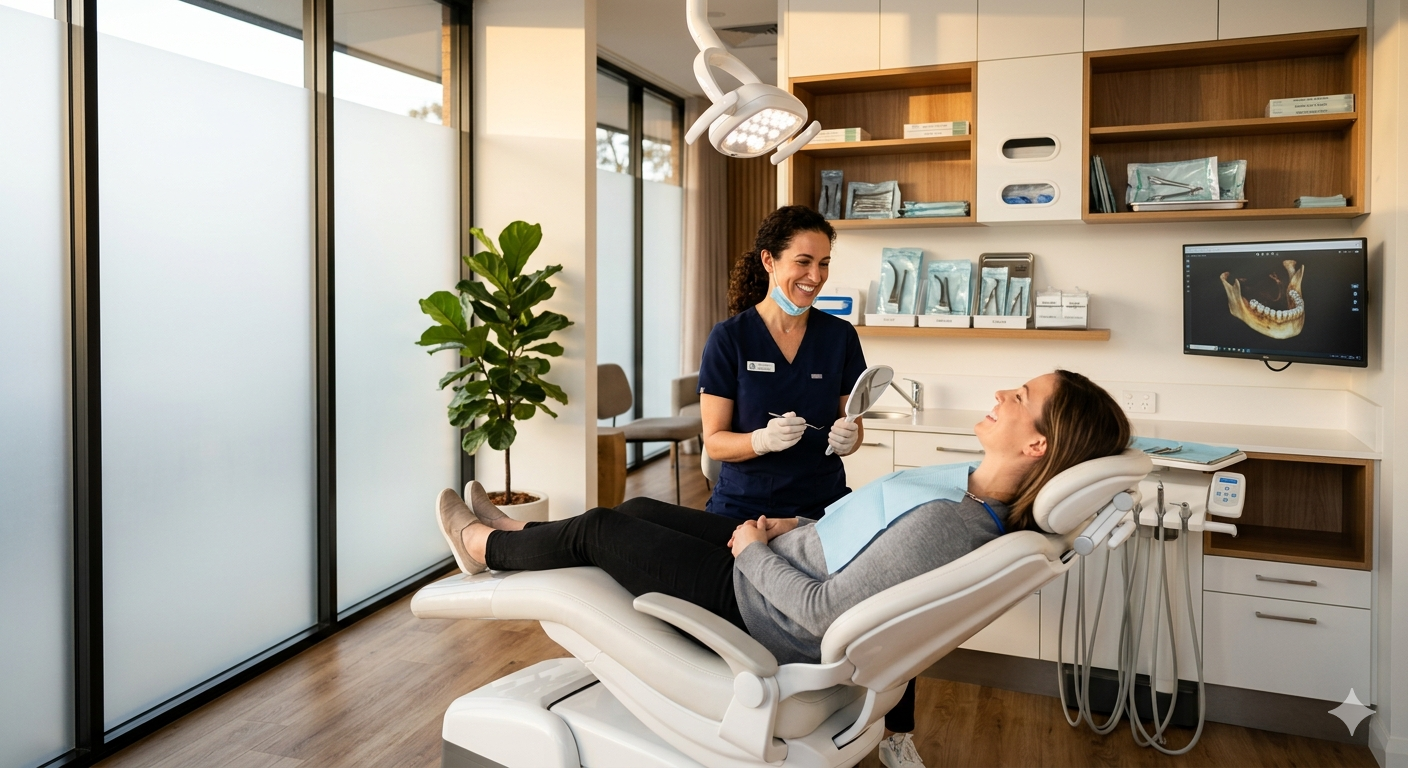
If you face a sudden toothache, a knocked-out tooth, or bleeding after an injury in Chesaning, act quickly to protect long-term dental health. You can get same-day emergency care in Chesaning that stabilizes pain, saves teeth when possible, and prevents complications.
This article explains how to recognize true dental emergencies, what to do before you reach a dentist, and what to expect at a local emergency visit. It also covers common treatments, aftercare, and practical tips for choosing a trusted emergency dentist in the Chesaning community so you feel prepared when minutes matter.
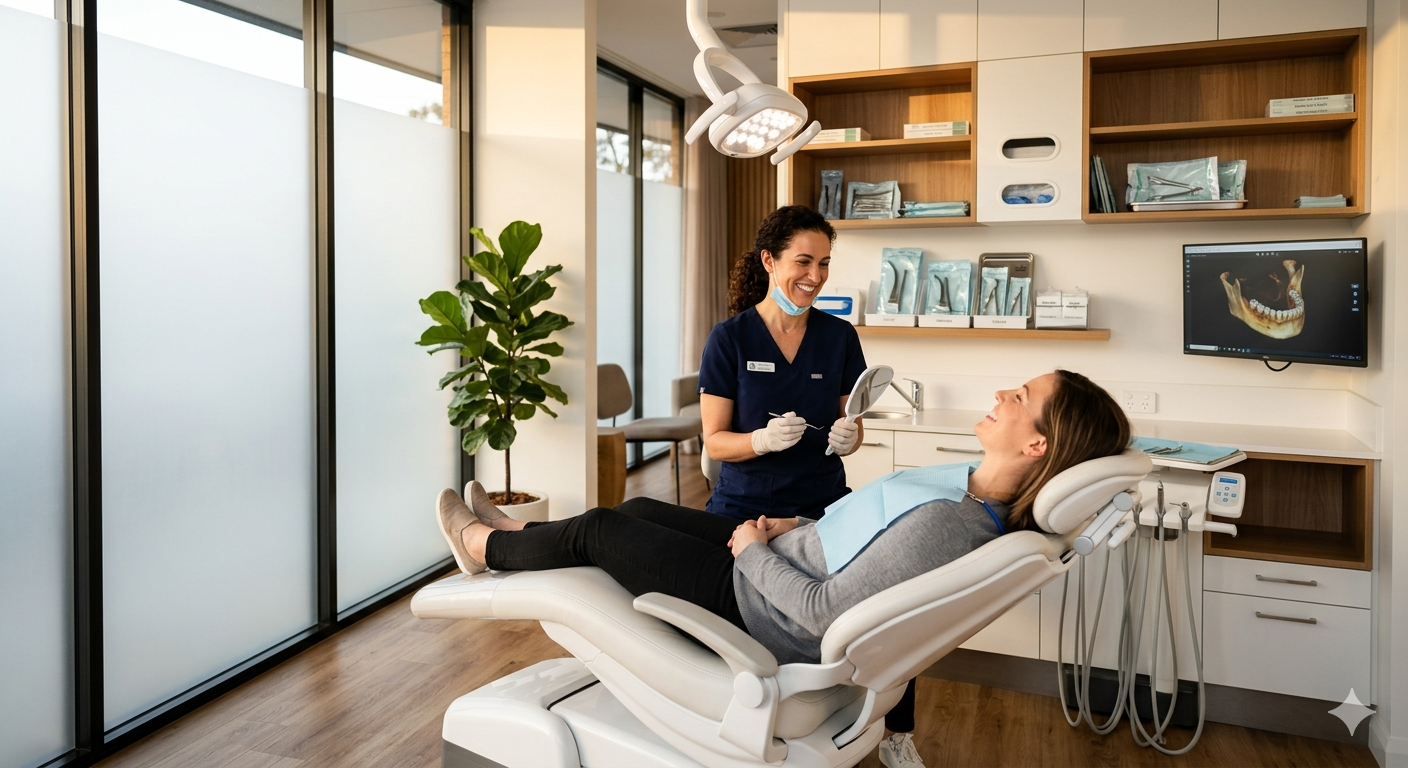
This section lists clear warning signs, common emergency scenarios, and guidance on when to seek immediate care versus scheduling prompt but non-emergent treatment.
Severe, persistent tooth pain that prevents sleep or normal activity often indicates infection, nerve damage, or an abscess. If pain is sharp, throbbing, or radiates into the jaw, cheek, or ear, the person should contact a dentist right away.
Uncontrolled bleeding after dental trauma or extraction is a red flag. Bleeding that soaks through gauze for more than 20–30 minutes or returns after stopping requires urgent evaluation.
Swelling of the face, neck, or mouth that affects breathing, swallowing, or speech suggests spreading infection. Fever with oral swelling or severe pain raises concern for systemic involvement and needs prompt attention.
Loose, knocked-out, or fractured teeth that cause pain or change bite alignment need timely care to improve outcomes and possibly save the tooth. Persistent numbness, tingling, or changes in sensation also warrant quick assessment.
Loss of consciousness, facial bone fracture after trauma, or signs of airway compromise demand emergency department transfer before dental care. These scenarios risk airway obstruction or life-threatening bleeding and need medical stabilization.
Rapidly spreading facial swelling, difficulty breathing, or difficulty swallowing signals a deep-space infection such as Ludwig’s angina. Call emergency services and a dentist immediately; intravenous antibiotics and hospital care may be necessary.
A tooth knocked completely out (avulsed) has the best chance of being replanted within one hour. Keep the tooth moist in milk or saline, avoid touching the root, and seek emergency dental treatment without delay.
Severe uncontrolled bleeding, severe uncontrolled pain unrelieved by over-the-counter medication, or signs of systemic infection (high fever, chills, malaise) require same-day dental or emergency medical attention.
Minor chip without pain, slight sensitivity, or a lost filling that does not cause acute pain can often wait for a same-day dental appointment. Use over-the-counter pain relief, a temporary filling kit, and avoid chewing on the affected side until seen.
Persistent mild toothache without swelling, stable broken crown, or cosmetic concerns that do not affect function usually merit prompt but non-emergent scheduling within a few days. Record symptoms, take photos, and call the dental office for triage advice.
Act fast for worsening pain, spreading swelling, fever, bleeding that won’t stop, or any trauma with broken jaw or knocked-out teeth. These require immediate or emergency care to prevent complications and preserve oral health.
Patients should call their dental office or an emergency dental clinic in Chesaning, MI, when in doubt. Early contact helps prioritize care and prevents small problems from becoming emergencies.
Act quickly and calmly. Stabilize the situation, collect important information, and prepare basic items to bring to the appointment.
For severe tooth pain, rinse the mouth with warm salt water (1/2 teaspoon salt in 8 ounces of water) to reduce bacteria and ease irritation. Take over-the-counter ibuprofen or acetaminophen following package directions; avoid placing aspirin directly on the gums or tooth.
If a tooth is knocked out, pick it up by the crown (not the root), gently rinse debris with water, and try to reinsert it into the socket if the patient can tolerate it. If reinsertion isn’t possible, place the tooth in milk or Hank’s Balanced Salt Solution, or keep it in the patient’s mouth between cheek and gum for transport.
For a chipped or cracked tooth, save any fragments in milk or saline and apply a cold compress to the cheek to limit swelling. For uncontrolled bleeding, apply firm pressure with sterile gauze and seek immediate care. Avoid hard foods, hot or cold extremes, and chewing on the injured side.
Call the dental office before leaving to describe symptoms, injury time, and any medical conditions or medications — this helps the team prioritize care and prepare supplies. Bring a list of current medications, allergy information, and photo ID; insurance cards help but most practices will treat emergencies regardless.
Pack a small kit: the removed tooth or fragments in milk, gauze, cold pack, pain medication (original bottle), and a face mask. Note the time of injury — especially for avulsed (knocked-out) teeth, because reimplantation success drops after about an hour.
If the patient is a child, bring a comfort item and a recent list of pediatric medications. If the patient has significant medical issues (heart disease, bleeding disorders, immunosuppression), mention these immediately so the dentist can modify treatment and coordinate with the patient’s physician if needed.
Encourage slow, steady breathing to reduce panic; inhaling for four counts and exhaling for six can lower heart rate and improve focus. Distraction helps: listening to calming music, counting backward from 100, or holding a familiar item can shift attention away from pain and anxiety.
Use clear, simple reassurances about next steps. Explaining that the office will triage, manage pain, and outline treatment options reduces fear of the unknown. If the patient uses anti-anxiety medication or nitrous oxide in routine care, mention this when calling so the clinic can plan similar comfort measures.
If a caregiver is present, have them speak calmly and take charge of logistics—driving directions, phone numbers, and consent details. Staying organized and vocal about needs makes the visit smoother and helps the dental team act quickly and effectively.
Most emergency dental visits in Chesaning start with quick intake, pain control, and a focused exam to determine immediate needs. Patients can expect clear steps: triage by phone or front desk, clinical assessment, and a treatment plan that prioritizes relief and preservation of natural teeth.
The front desk confirms medical history, insurance, and the nature of the problem during check-in. A dental assistant or hygienist takes vital signs and any needed X-rays using digital radiography to speed diagnosis and reduce radiation exposure.
The dentist performs a focused exam of the affected tooth and surrounding tissues, checking for fracture, infection, swelling, or loose restorations. They document findings and explain options in plain language, highlighting risks, benefits, costs, and any urgent need for referral to oral surgery.
Pain control happens early: local anesthetic is standard for most procedures, and short-term prescriptions for antibiotics or analgesics are given when infection or severe pain is present. Administrative staff schedule follow-up care, whether definitive treatment that day or a next-available visit for root canal, crown placement, or extraction.
Non-surgical treatments often resolve symptoms quickly. For example, emergency fillings or temporary crowns restore a broken tooth’s function and seal out bacteria, reducing pain and infection risk.
When the pulp is inflamed, the dentist may perform a pulpotomy or start a root canal procedure to relieve pressure and stop infection spread. Simple extractions for severely damaged teeth are completed under local anesthesia, sometimes with same-day placement of a temporary prosthesis if appropriate.
Incision and drainage for localized abscesses relieve pressure; antibiotics follow if systemic signs appear. The office uses modern instruments and materials—high-strength composite resins, bonded temporary crowns, and rotary endodontic tools—to complete many definitive steps in one visit.
Staff in Chesaning emergency practices prioritize a calm environment and clear communication. They explain each step before touching the mouth, use gentle techniques, and offer breaks during longer procedures.
For higher anxiety, options include nitrous oxide sedation, oral sedatives prescribed before the visit, or arranging treatment under monitored sedation at a specialized facility. Pediatric patients receive behavior guidance and child-friendly explanations to reduce fear.
Clinics also provide post-procedure instructions in writing and by phone, and follow up to check pain control and healing. They encourage questions and discuss preventive measures to avoid repeat emergencies, inviting patients to call with concerns at any hour.
These emergencies typically require fast pain control, infection management, and tooth stabilization. Immediate steps often include pain relief, infection control with antibiotics when needed, and temporary or permanent repair to restore function.
A severe toothache often signals pulp inflammation or an abscessed tooth and can cause throbbing pain, fever, or swelling. The dentist will first assess for spreading infection and signs of systemic involvement, then provide local anesthesia for comfort during examination and any urgent procedures.
Treatment usually involves either drainage of an abscess or root canal therapy to remove infected pulp tissue. If immediate root canal is not possible, the clinician may place a temporary sedative dressing and prescribe antibiotics (commonly amoxicillin or clindamycin for penicillin-allergic patients) plus an analgesic like ibuprofen.
Patients should rinse with warm salt water every few hours and avoid chewing on the affected side until treated. Persistent swelling, fever, or difficulty breathing requires emergency medical attention because it can indicate a spreading infection.
For an avulsed (knocked-out) tooth, time is crucial: replantation within 15–60 minutes offers the best chance of survival. Handle the tooth by the crown only, rinse gently with saline or milk if dirty, do not scrub the root, and reinsert into the socket if the patient is conscious and comfortable doing so.
If reinsertion isn’t possible, store the tooth in cold milk or a specialized saliva-preserving medium (Hank’s Balanced Salt Solution) and bring it to the clinic immediately. The dentist will assess root and socket damage, splint the tooth to adjacent teeth for 1–2 weeks, and may start a course of antibiotics and follow-up root canal therapy to prevent infection.
For teeth fractured below the gumline or with extensive crown-root damage, extraction and prompt discussion of replacement options (implant, bridge, or removable prosthesis) become necessary. Follow-up appointments monitor healing and long-term prognosis.
Small chips often require smoothing and a tooth-colored composite resin to restore shape and function in a single visit. Dentists match the composite shade to surrounding teeth and bond it directly to the enamel, which preserves tooth structure and provides immediate cosmetic improvement.
Cracks that extend into dentin or the pulp need more extensive care: options include a bonded crown to stabilize the tooth, root canal therapy if the pulp is involved, or extraction if the crack runs vertical into the root. A dentist will use bite tests, transillumination, and X-rays to locate the crack and determine prognosis.
In the meantime, patients should avoid hard foods, use a mouthguard for nighttime grinding, and take over-the-counter analgesics for pain. Early treatment improves success rates and reduces the chance of losing the tooth.
When a filling falls out, food can collect in the cavity and cause sensitivity or decay. Patients can gently clean the area with a toothbrush and place temporary dental cement (available over the counter) or sugar-free gum until they can see the dentist.
If a crown dislodges, save it and bring it to the appointment; the dentist may recement it if the fit and tooth structure are adequate. If recementation isn’t possible due to decay or damage, the tooth may need re-preparation for a new crown or an onlay. A temporary crown or protective dressing will prevent sensitivity and further damage in the interim.
Pain control with NSAIDs and avoiding sticky or hard foods lowers the risk of additional harm. The dentist will evaluate the underlying tooth for recurrent decay and discuss permanent restorative options and timing.
Routine care and sensible precautions greatly lower the chance of sudden dental problems. Brushing, flossing, timely dental visits, and using the right protective gear prevent most broken teeth, severe pain, and lost restorations.
They should brush twice daily with a fluoride toothpaste for two minutes, using a soft-bristled brush and gentle circular strokes. Flossing once a day removes plaque between teeth where decay often starts.
They should limit acidic and sugary drinks to mealtimes and rinse with water after consumption to reduce enamel erosion. Replace a toothbrush every three months or sooner after illness to keep bristles effective.
Regular dental checkups every six months catch small cavities and loose fillings before they become emergencies. If someone grinds teeth at night, a fitted nightguard protects restorations and prevents fractures.
Promptly treating a small chip or aching tooth reduces the chance of infection or a full fracture later. For patients with chronic dry mouth, discuss saliva substitutes and fluoride varnish with the dentist to lower decay risk.
They should wear a custom or boil-and-bite mouthguard for any contact sport—football, hockey, lacrosse—or high-impact activities like skateboarding. A proper guard cushions teeth and reduces the risk of avulsion (tooth knocked out) and fractures.
For riders or cyclists, a full-face helmet provides added protection to the jaw and facial bones beyond a standard helmet. Spectators and participants in home improvement or yard work should use safety glasses to prevent debris-related tooth or soft-tissue injuries.
Store mouthguards in ventilated cases and replace them when they warp or after major dental work. If a tooth is knocked out, keep it moist in milk or saline and seek emergency dental care within an hour for the best chance of reimplantation.
A trusted emergency dentist combines fast access, clear communication, and the right equipment to handle pain, infections, and broken teeth. Patients should expect transparent fees, same-day appointment options, and staff who explain next steps calmly.
Look for a licensed dentist with specific emergency training, such as advanced life support certification and experience managing acute infections and trauma. Confirm the practice lists emergency procedures—tooth extraction, root canal therapy, and suturing—so treatment won’t be delayed by referrals.
Check office hours and after-hours policies. Practices that offer extended evenings, weekends, or an on-call dentist reduce wait times and prevent worsening conditions. Read recent patient reviews focused on responsiveness, pain control, and post-procedure follow-up.
Assess the team’s communication style. Staff should explain treatment options, expected costs, and recovery steps in plain language. Ask whether digital X-rays and intraoral cameras are available; those tools speed diagnosis and limit repeat visits.
A dentist familiar with Chesaning knows common local risks—seasonal outdoor injuries, sports-related knocks, and limited nearby specialist availability. That familiarity speeds decision-making when time matters, like prioritizing antibiotics for spreading infections or coordinating urgent referrals.
Local practices tend to have established relationships with area pharmacies and oral surgeons. Those connections shorten appointment scheduling and streamline emergency prescriptions. Patients benefit from coordinated care rather than waiting for unfamiliar providers.
Choosing a practitioner who has served the community for several years also increases chances of continuity of care. Long-term providers often maintain patient records, which helps tailor treatment quickly and reduce unnecessary imaging or tests in urgent situations.
Keep three ready items: the emergency dental office phone number, a backup clinic, and your current medication list. Save the primary clinic as a contact under “Emergency Dentist — Chesaning” on your phone for one-tap calling.
When symptoms start, call first rather than texting. A live call lets staff triage severity, reserve an exam slot, and advise immediate home care—like cold packs for swelling or rinses for bleeding. Note office instructions exactly and arrive with ID and insurance cards to speed check-in.
If the clinic is closed, use the on-call line or go to the nearest urgent care for uncontrolled bleeding, fever, or facial swelling. Follow up with the dental office the next business hour to ensure definitive treatment and follow-through.
Patients should expect clear home-care steps, a schedule for check-ins or extra treatment, and practical strategies to reduce future dental emergencies. The guidance below covers pain control, wound care, appointments, and prevention in plain, actionable language.
After an emergency visit, patients should control bleeding by biting gently on sterile gauze for 30–60 minutes and avoid spitting or using a straw for 24 hours to protect clots. For swelling, apply an ice pack to the cheek for 15 minutes on, 15 minutes off during the first 24 hours; switch to warm compresses after 48 hours if stiffness persists.
Use over-the-counter ibuprofen or acetaminophen as directed for pain; avoid aspirin because it can prolong bleeding. Rinse gently with warm salt water (½ teaspoon salt in 8 ounces water) starting 24 hours after extractions to keep the site clean. Maintain a soft-food diet (yogurt, mashed potatoes, smoothies) and chew away from the treated side until discomfort subsides.
Keep oral hygiene gentle but consistent: brush softly with a soft-bristled brush and floss the unaffected teeth. Watch for signs of infection—fever above 100.4°F, increasing swelling, persistent throbbing, or a foul taste—and contact the dentist immediately if any appear.
Schedule the follow-up visit before leaving the clinic whenever possible; most urgent cases require a 48–72 hour check or a one-week review depending on treatment. Note the appointment purpose on the calendar (e.g., suture check, root canal completion, crown prep) to avoid confusion later.
Ask the front desk about estimated costs, insurance coverage, and payment plans during scheduling so financial questions don’t delay care. If additional procedures are needed—root canal, extraction site grafting, temporary crown—book those as soon as the dentist recommends them to prevent infection or tooth movement.
Confirm appointment reminders via text or email and update contact details if they change. If symptoms worsen before the scheduled follow-up, call the clinic for an earlier slot or emergency intake.
Evaluate the cause of the emergency with the dentist: untreated decay, fractured tooth, gum disease, or failed restorations each require a specific prevention plan. For decay, complete recommended fillings or crowns promptly and consider fluoride treatments or prescription-strength toothpaste to strengthen enamel.
For bruxism-related fractures, a custom nightguard reduces stress on teeth and restorations. For recurrent infections, discuss root canal therapy versus extraction and replacement options like implants or bridges to restore function and reduce future risk.
Adopt routine habits that lower emergency risk: twice-daily fluoride toothpaste, daily flossing, semi-annual cleanings, and wearing a mouthguard during contact sports. Keep a small dental emergency kit at home with gauze, ibuprofen, and the dentist’s emergency number. For personalized plans, schedule a comprehensive exam and ask about preventive treatments tailored to medical history and oral findings.
Patients often worry about price, coverage, and how to pay when an urgent dental issue arises. This section explains typical costs, what insurance usually covers, and practical payment options available in Chesaning, MI.
Emergency dental costs in Chesaning commonly range by procedure: an exam and X-rays typically cost $75–$200, simple extractions $150–$400, and root canal therapy $700–$1,200 depending on tooth complexity. Fees vary by clinic; ask for a written estimate before treatment when possible.
Most dental insurances cover emergency exams and some treatments after deductible. Preventive exams often have separate coverage limits from emergency care. Medicaid and MI Child may cover urgent treatment for eligible patients, but coverage rules differ by plan and provider participation.
Patients should verify in-network status and preauthorization requirements. Typical out-of-pocket responsibilities include co-payments, deductibles, and charges for non-covered materials (e.g., crowns). Keep itemized receipts and procedure codes (CDT codes) to expedite claims and potential reimbursement.
Many Chesaning dental offices accept major credit cards and offer in-house payment plans for balances under a few thousand dollars with no-interest or low-interest options for set terms. Clinics often require a deposit for same-day emergency appointments.
CareCredit and similar healthcare credit lines provide month-by-month repayment terms; approvals can be quick and used for urgent procedures not fully covered by insurance. Ask about promotional 0% APR plans and the exact repayment schedule before enrolling.
Sliding-scale fees or reduced-cost clinics may be available for qualifying low-income patients; eligibility typically requires proof of income and residency. Always request an itemized treatment plan and confirm what portions insurance will pay to avoid unexpected bills.
The clinic prioritizes fast, dependable care for injuries, infections, and severe pain so residents can return to daily life quickly. It also focuses on prevention, education, and outreach to reduce future emergencies.
Quick treatment prevents small problems from becoming major ones. For example, same-day removal or root canal for a fractured tooth can stop infection and save the tooth, reducing costs and recovery time compared with delayed care.
Accessible hours and location matter in a rural setting. Extended weekday hours and a Saturday clinic reduce travel to Saginaw or Midland and help shift workers and parents get care without missing work or school. On-call phone triage guides patients to the right level of care immediately.
Affordable options and clear billing reduce hesitation to seek help. The practice offers transparent estimates, sliding-fee options, and works with local insurers to minimize out-of-pocket expenses. That lowers the chance of untreated pain turning into emergency hospital visits.
The dental team runs school visits and senior-center talks that explain when pain, swelling, or bleeding require urgent attention. They use simple visuals and hands-on demonstrations so children learn how to protect teeth during sports and elders understand signs of infection.
Free screening events and fluoride varnish clinics target families without regular dental care. These events identify early decay and provide referrals for urgent follow-up, reducing the number of advanced cases needing emergency procedures.
The office partners with local EMS and primary-care clinics to streamline referral pathways. Shared protocols and direct contact lines mean a patient arriving at urgent care can be routed to the dental team quickly, improving outcomes and lowering redundant testing.
If residents have questions about hours, costs, or what qualifies as a dental emergency, the clinic encourages them to call or book an appointment for personalized guidance.
This section answers common urgent dental concerns for Chesaning, MI residents: what truly qualifies as an emergency, immediate steps to take without a regular dentist, safe home pain control, care for broken or knocked-out teeth, signs that swelling needs immediate attention, and what happens during an emergency visit.
True emergencies include uncontrolled bleeding, severe facial swelling, intense tooth pain that prevents sleep or eating, and a completely knocked-out tooth. These require same-day care.
Issues that can usually wait until normal office hours include mild, intermittent toothache, a lost filling without pain, or minor sensitivity. If pain increases, swelling appears, or symptoms persist past 24–48 hours, seek urgent evaluation.
Call the local emergency dental clinic in Chesaning or the nearest dental office immediately and describe symptoms and any fever or swelling. Many practices reserve same-day slots for urgent patients and can advise whether to come in or go to an emergency room.
If unable to reach a dentist, go to the nearest hospital ER for severe pain, spreading facial swelling, high fever, or breathing or swallowing difficulty. For non-life-threatening pain, urgent dental clinics and dental school clinics often accept walk-ins or evening appointments.
Use over-the-counter ibuprofen or acetaminophen for pain control, following the label dosing and any medical restrictions. Apply a cold pack to the cheek in 10–15 minute intervals to reduce swelling and pain.
Rinse with warm salt water (½ teaspoon salt in 8 ounces of water) to clean the area. Avoid placing aspirin directly on the gums or tooth, using sharp objects to probe the mouth, or trying home remedies that could irritate tissue; these can worsen the problem.
For a knocked-out permanent tooth, retrieve it by the crown (not the root), rinse gently with water if dirty, and try to reposition it in the socket if possible. If repositioning isn’t possible, store the tooth in cold milk or saline and get to a dentist within one hour for best chance of reimplantation.
For a chipped or cracked tooth, save any fragments, rinse the mouth, and apply a cold pack for swelling. Seek emergency dental care for severe pain, exposed pulp (dark center), or teeth that feel loose; many emergency offices offer weekend or after-hours coverage.
Seek immediate care if swelling is increasing, painful, warm to the touch, or accompanied by fever, trouble breathing, or difficulty swallowing. These signs can indicate a spreading infection that risks airway compromise or systemic illness.
If swelling is localized, small, and without fever, call a dentist promptly for an appointment the same day or next business day. Do not ignore persistent or worsening swelling.
The dentist will assess pain, take X-rays if needed, and check for infection or trauma. They may clean the area, place a temporary filling, prescribe antibiotics for infection, or perform root canal therapy or extraction depending on severity.
For immediate comfort, the office can provide local anesthesia, prescribe appropriate pain medication, and offer temporizing restorations until definitive care is scheduled. The team will explain follow-up steps and pain-management precautions before discharge.