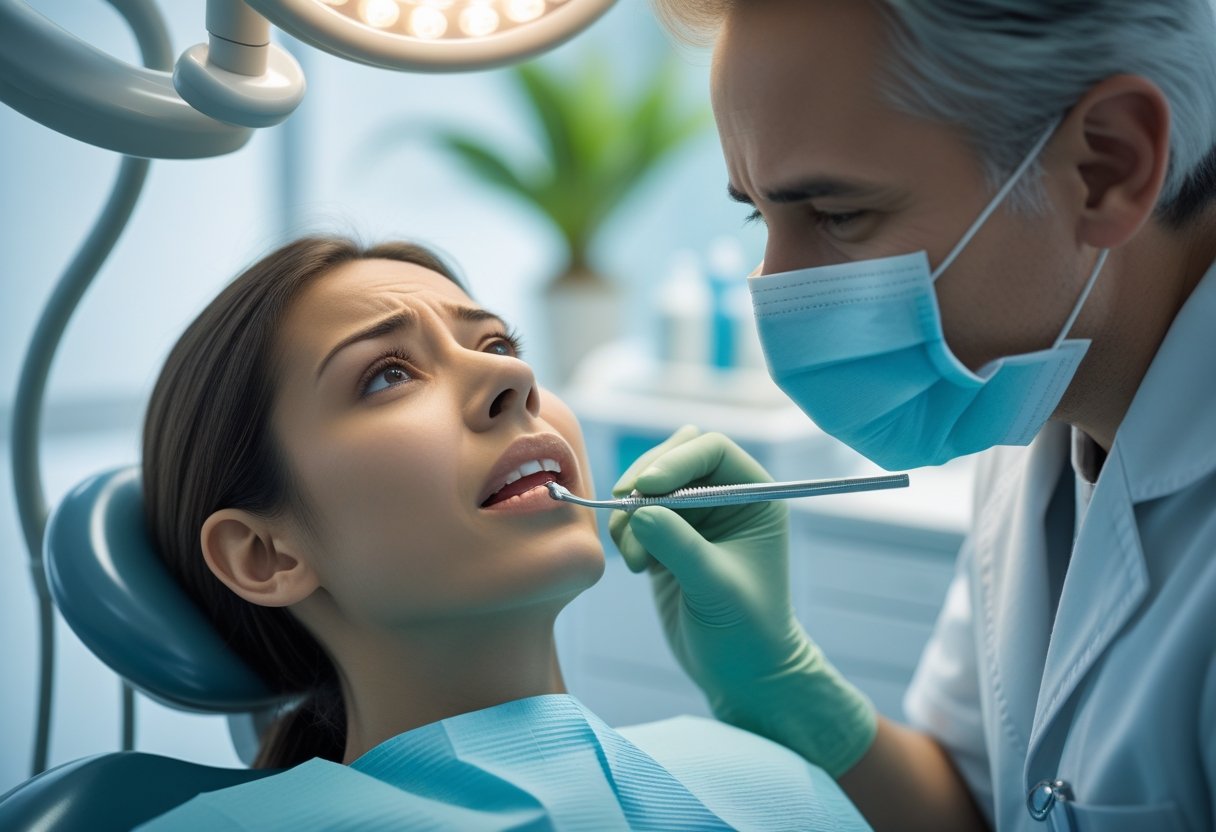
A sudden toothache, a broken crown, or a knocked-out tooth can leave anyone feeling uneasy. In those moments, knowing what steps to take can make the difference between saving and losing a tooth. During a dental emergency, acting quickly—while staying calm—protects oral health and reduces long-term damage.
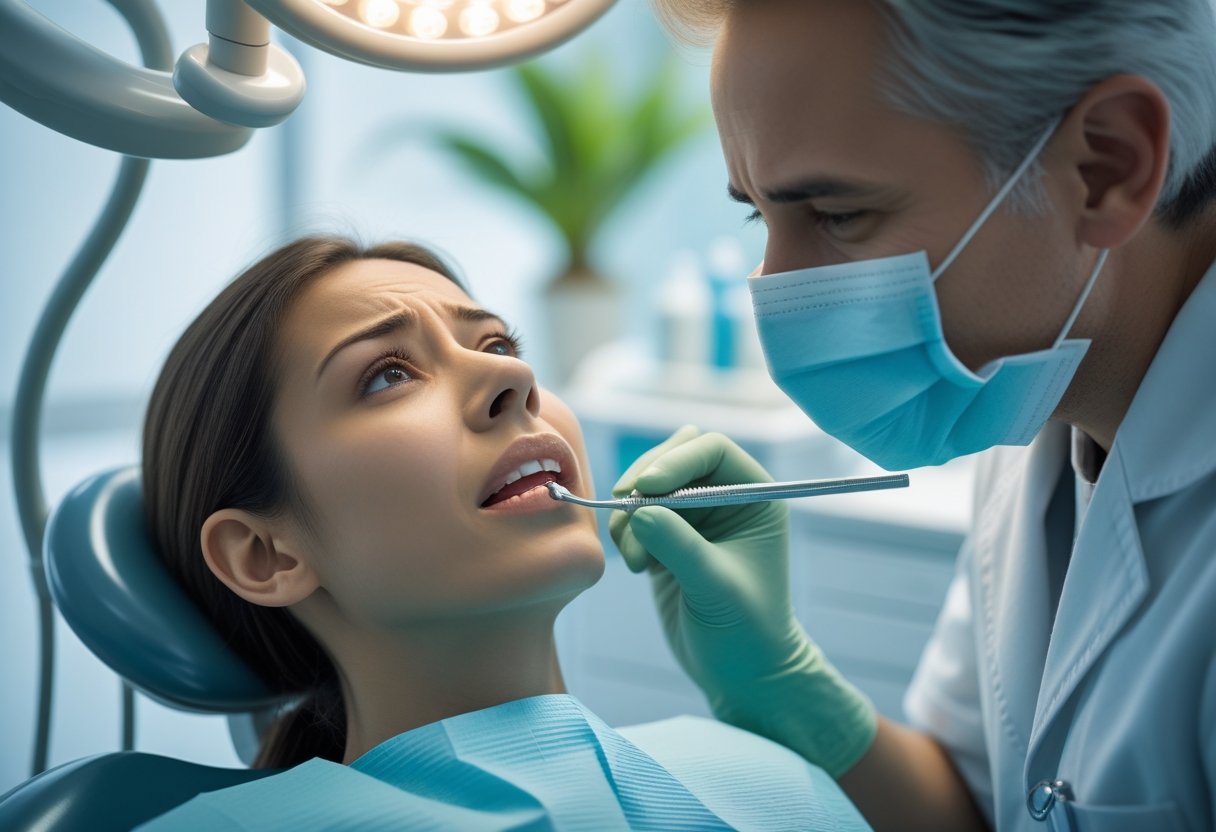
Whether it happens during a meal, a sports game, or at night, prompt action matters. Rinsing gently, keeping the area clean, and contacting an emergency dentist right away are often the best first moves. With the right knowledge, anyone can handle an unexpected dental situation with confidence instead of panic.
Having a clear plan brings peace of mind. Understanding what qualifies as a true emergency, how to manage pain safely, and when to seek professional help helps prevent complications. A little preparation today can protect a smile tomorrow.

Dental problems can arise suddenly and cause pain, bleeding, or damage that needs timely care. Knowing how to identify an urgent situation helps a person act quickly, prevent complications, and protect their oral health until a dentist can provide treatment.
Certain symptoms signal that a dental issue requires prompt attention. Severe or persistent tooth pain, especially when it interferes with eating or sleep, often indicates infection or nerve involvement. Swelling of the gums, face, or jaw can point to an abscess or spreading infection that needs immediate evaluation.
Uncontrolled bleeding from the mouth, especially after an injury or dental procedure, is another major warning sign. Loose, broken, or knocked-out teeth also qualify as emergencies because quick action can sometimes save the tooth.
Other clues include sensitivity that suddenly worsens, visible pus around a tooth or gumline, and painful pressure when biting. A good rule of thumb: if oral discomfort feels intense, appears suddenly, or prevents normal function, professional assessment should not be delayed.
Dental emergencies come in many forms, all requiring timely care. The most common types include:
| Emergency Type | Description | Urgency Level |
|---|---|---|
| Knocked-out tooth (avulsion) | Entire tooth displaced from socket | Immediate – within 30–60 minutes |
| Broken or chipped tooth | Fracture ranging from enamel chip to deep crack | Same-day evaluation |
| Tooth abscess | Painful infection with swelling or pus | Immediate |
| Lost filling or crown | Exposed tooth structure causing sensitivity | Urgent but not life-threatening |
| Soft tissue injury | Cuts to lips, mouth, or tongue | Urgent if bleeding doesn’t stop |
Each situation may look different, but care within hours can reduce pain and improve recovery outcomes. Even minor damage may hide deeper issues, so professional evaluation protects long-term dental health.
A person should contact a dentist or urgent care provider right away if there is intense pain, uncontrolled bleeding, or facial swelling. These symptoms often mean infection or trauma that can worsen without prompt care.
If a tooth is knocked out, handle it by the crown, not the roots, and keep it moist in milk or saliva until reaching a dentist. Quick reimplantation—ideally within an hour—offers the best chance of saving it.
Seek emergency medical attention if swelling spreads beyond the jaw or interferes with breathing. When in doubt, it’s safer to call a dental professional who can assess the situation and guide next steps with reassurance and clear instructions.

Quick, calm action helps protect teeth, ease pain, and prevent lasting damage when dental problems happen unexpectedly. Simple measures like stopping bleeding, preserving a dislodged tooth, and avoiding infection can make the difference between saving and losing a tooth.
When pain or injury strikes, staying calm is the first step. Rinsing the mouth gently with warm water removes debris and keeps the area clean. If bleeding occurs, placing a piece of clean gauze and applying light pressure helps control it. A cold compress on the cheek can reduce swelling and discomfort.
Over-the-counter pain relievers such as acetaminophen or ibuprofen can ease pain temporarily, but aspirin should never be placed directly on gums—it can burn the soft tissue. If the issue involves a lost filling or crown, temporary dental cement or sugar-free gum can protect the exposed area until a visit to the dentist.
For sudden toothaches, flossing carefully may dislodge trapped food that causes irritation. If pain persists, professional care is essential since infection or decay may be developing beneath the surface.
A knocked-out tooth requires immediate attention, ideally within 30 to 60 minutes. Holding the tooth only by its crown—the white, top portion—protects delicate root cells. Rinsing it gently with saline or milk removes dirt without damaging tissue.
If possible, the person should reinsert the tooth into the socket and bite down softly on clean gauze to keep it stable. When reinsertion isn’t possible, storing the tooth in a small cup of milk, saline solution, or saliva helps preserve moisture and increases the chance of successful reattachment.
Avoid letting the tooth dry out or rinsing it with soap or tap water. Promptly contacting a dentist or visiting an emergency clinic gives the best chance for saving the tooth and restoring normal function.
Small chips can often wait a short time if there is no pain, but larger breaks or exposed nerves need care right away. Rinsing with warm water cleans the area, and using a cold compress reduces swelling or tenderness.
If a piece of the tooth is found, it should be kept moist in milk or saline and brought to the appointment. Avoid chewing on the injured side or eating hard foods until the dentist evaluates it. Covering sharp edges with dental wax or sugar-free gum protects the lips and tongue from injury.
Most dentists can restore chipped or fractured teeth with bonding, veneers, or crowns, depending on the extent of the damage. Seeking quick evaluation prevents further breakage and helps maintain both appearance and comfort.
Prompt action can make a big difference in easing dental pain. Proper use of safe pain relievers, steps to control swelling, and avoiding harmful home remedies help protect teeth and minimize complications while waiting for professional care.
Over‑the‑counter (OTC) pain relievers are often the first line of help. Ibuprofen and acetaminophen can reduce discomfort and inflammation, though they should always be taken as directed on the label. A cold compress placed against the cheek for 10–15 minutes at a time can numb pain and ease sensitivity without interfering with dental tissues.
If a toothache keeps someone up at night, alternating between rest, hydration, and OTC medication can offer temporary relief. Clove oil, when used sparingly, may also soothe irritated gums due to its mild numbing effect. However, applying any product directly inside a cavity or broken tooth can cause irritation.
Pain level and location often guide the most effective approach:
| Type of Pain | Recommended Option | Duration |
|---|---|---|
| Mild ache | Acetaminophen | As needed, per label |
| Swelling with pain | Ibuprofen + Cold compress | Every 4–6 hours |
| Sensitive gums | Salt‑water rinse | 2–3 times daily |
Swelling around a tooth or jaw usually signals inflammation or infection. A cold compress held to the outside of the face for short intervals helps reduce blood flow to the area, easing puffiness. Keeping the head elevated during rest also minimizes pressure and prevents fluid buildup.
Rinsing with warm salt water (½ teaspoon of salt in a glass of warm water) cleans the area and may decrease bacterial irritation. Drinking plenty of fluids helps the body fight infection more effectively and keeps tissues hydrated.
Persistent or rapidly worsening swelling, especially if it affects breathing or swallowing, indicates a need for emergency dental or medical care. Ice can calm swelling, but only a dentist can treat the underlying cause.
Some home remedies can do more harm than good. Avoid placing aspirin, alcohol, or any chemical directly on the gums or tooth, as these can burn soft tissue and delay healing. Do not use sharp objects to pick at the affected area, which risks spreading infection or damaging enamel.
Hot compresses can worsen swelling if an infection is present, so it’s best to stick with cold therapy. Avoid very hard, sticky, or sugary foods that might irritate a cracked or painful tooth.
Keeping the mouth clean but gentle is key—soft‑bristled brushing and careful rinsing maintain hygiene without increasing discomfort. When in doubt, contact a dental office for advice; most teams can guide patients through safe steps until treatment is available.
Quick, calm action helps reduce pain, limit infection, and protect the tooth and surrounding tissues until professional care becomes available. Gentle handling, proper cleaning, and safe temporary fixes can make a big difference in preserving dental health after an injury.
When a tooth becomes broken, loose, or knocked out, keeping the area clean and stable helps prevent further harm. Rinsing the mouth gently with warm water clears debris without disturbing the injury. If bleeding occurs, a clean gauze pad or soft cloth pressed gently can help stop it. Avoid applying strong pressure to a broken tooth or swollen gum.
People should never use sharp objects to remove stuck food or fragments near the injured site. A cold compress on the cheek can reduce swelling and numb discomfort. Eating soft foods and avoiding extreme temperature changes — like very hot or cold drinks — helps protect sensitive tissues.
Children and adults alike benefit from avoiding chewing on the affected side of the mouth. This prevents additional stress on damaged teeth and minimizes pain. In cases involving a knocked-out tooth, keeping it moist in milk or saline solution until dental care is available increases the chance of saving it.
Some dental emergencies require short-term measures to ease discomfort before seeing a dentist. Over-the-counter pain relievers such as ibuprofen can reduce pain and inflammation when used as directed. For a lost filling or crown, temporary dental cement or dental wax (available at most pharmacies) can protect exposed areas and reduce sensitivity.
If a tooth chip causes a sharp edge, covering it with sugarless gum or wax prevents it from cutting the tongue or cheek. Avoid using home adhesives or superglue, as they can cause tissue damage.
Keeping an emergency dental kit with gauze, a small container, saline, and pain medication helps handle unexpected issues safely. Acting with care rather than urgency protects oral tissues and improves the likelihood of quick recovery once professional dental treatment begins.
Seeing a dentist promptly after a dental emergency helps relieve pain, prevent infection, and save damaged teeth. Understanding what to bring and what the dentist will do can make the visit less stressful and more efficient.
Before heading to the dental office, patients should gather any fragments of broken teeth, recent X-rays if available, and a list of current medications. Keeping this information organized helps the dentist assess their condition faster. If swelling or bleeding occurs, gently rinse the mouth with warm water and apply a cold compress to reduce discomfort.
Patients should call ahead if possible, explaining the symptoms clearly—whether it’s severe pain, swelling, or a knocked-out tooth—so the dental team can prioritize urgent cases. Bringing insurance details or payment information also avoids delays during check-in.
Arriving 10–15 minutes early allows time for paperwork and gives the staff a better chance to prepare for immediate treatment. For those feeling anxious, it’s reasonable to ask about sedation options or discuss comfort measures before the appointment begins.
During an emergency visit, the dentist first performs a focused examination, often including X-rays, to identify the cause of pain or damage. They will check for signs of infection, assess nerve involvement, and determine whether the issue needs temporary or lasting repair.
Treatment may include cleaning and sealing a damaged tooth, placing a temporary filling or crown, or prescribing antibiotics or pain medication if an infection is present. If a tooth has been knocked out, the dentist will attempt to reinsert it or discuss replacement options like implants or bridges.
After stabilizing the immediate problem, the dentist explains next steps for full recovery and preventive care. Patients usually leave with clear follow-up instructions and a plan to restore comfort and function.
Strong, healthy teeth depend on consistent care and smart protection. Daily cleaning habits and simple preventive tools can reduce the risk of sudden dental pain, chipped teeth, or infection that often require emergency visits.
Good oral care starts with brushing twice a day using a fluoride toothpaste and a soft-bristled toothbrush. Fluoride strengthens enamel, helping it resist decay and cracks. Spending at least two minutes cleaning every surface of the teeth gives better protection than quick brushing.
Flossing once daily removes the plaque and food caught between teeth where a brush cannot reach. Consistent flossing also reduces gum inflammation, a common trigger for dental pain and sensitivity. Rinsing with an antibacterial mouthwash lowers bacteria levels, freshens breath, and supports gum health.
Diet choices matter just as much as cleaning routines. Limit sticky sweets and acidic drinks that wear away enamel or get trapped between teeth. Drink water after meals to help wash away debris and neutralize acids. Regular dental checkups every six months allow dentists to find small issues—like tiny chips or early gum disease—before they turn into emergencies.
For anyone who plays sports or grinds their teeth at night, using a mouthguard can make a major difference. Athletic mouthguards cushion the teeth and jaw during contact or high-impact activities, lowering the chance of cracked or knocked-out teeth. Custom-fitted guards from a dentist often feel more comfortable than store-bought ones and provide better coverage.
Nightguards help those with bruxism (teeth grinding), a habit that can weaken enamel, cause jaw soreness, and even fracture teeth over time. Dentists can design guards that protect the teeth while allowing natural movement of the jaw.
It also helps to wear face shields or helmets in jobs or hobbies involving physical risk, such as cycling or construction work. Simple, consistent use of protective gear prevents many of the emergencies that otherwise occur from sudden accidents or repeated stress on the teeth.
Quick action and basic first aid can protect teeth and relieve discomfort before reaching a dentist. Recognizing the early signs of a serious dental issue helps prevent infection and long-term complications.
If a tooth gets knocked out, they should handle it gently by the crown and avoid touching the root. Rinse it briefly with clean water if dirty, but do not scrub or remove attached tissue.
When possible, try to reinsert the tooth into the socket and hold it in place. If that’s not possible, store it in milk or saline solution and get to a dentist or emergency room within 30 to 60 minutes for the best chance of saving it.
Rinse the mouth gently with warm water to clear debris. Applying a cold compress to the outside of the face can help reduce swelling and numb discomfort.
If needed, over-the-counter pain relievers can ease pain until treatment. The person should avoid using the broken side to chew and keep the area as clean as possible.
A warm saltwater rinse can reduce bacteria and ease irritation. Applying a cold compress on the cheek can help with pain and swelling.
Over-the-counter pain medicine may offer temporary relief, but aspirin should not be placed directly on the gums since it can cause burns. Seeing a dentist promptly is the safest way to identify and treat the cause.
Severe, persistent pain, heavy bleeding, swelling around the jaw, or a knocked-out or fractured tooth usually signals a dental emergency. Infections that cause fever or make it difficult to swallow also require immediate care.
Any dental injury or symptom that interferes with eating, speaking, or basic comfort should be evaluated right away.
A swollen jaw often indicates infection, especially if it’s accompanied by pain, fever, or difficulty opening the mouth. Swelling that spreads to the neck or face can become serious quickly.
In these situations, they should seek immediate dental or medical attention to prevent complications such as abscess formation.
If a filling or crown falls out, keep the area clean and avoid chewing on that side. Over-the-counter dental cement can be used as a short-term measure to cover the exposed area.
Keeping the crown and bringing it to the dentist can help with repair or reattachment. A prompt appointment prevents sensitivity, infection, and further damage to the tooth.