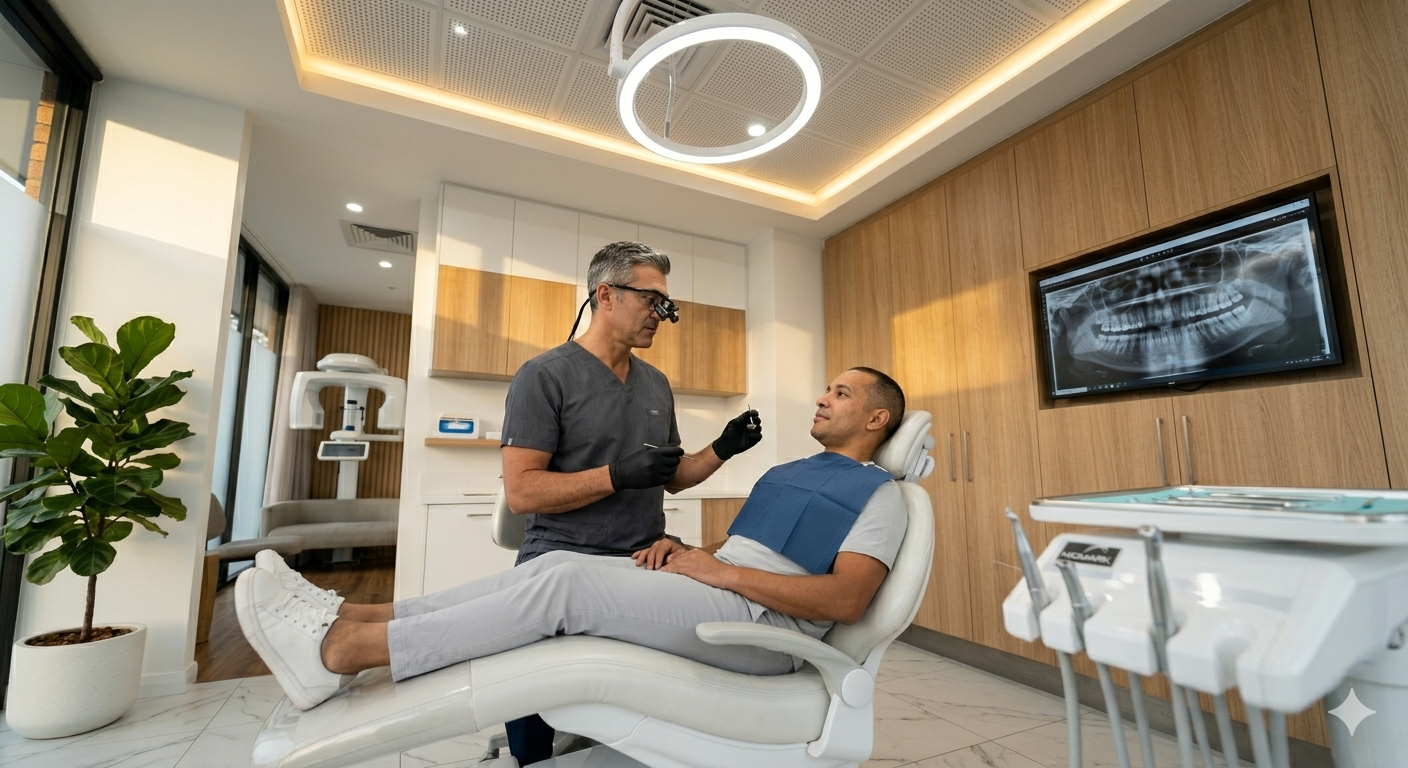
Finding affordable dental implants in Chesaning, MI, doesn’t have to be a challenge. Many local dental practices offer quality implant options that balance cost with excellent care, making it possible to restore your smile without breaking the bank. Patients often worry about the price, but understanding the range of options can help them make confident decisions.
Dental implants are a long-term solution for missing teeth, improving both function and appearance. Clinics in Chesaning focus on patient comfort and use modern techniques to keep treatment efficient and accessible. Knowing what to expect can ease concerns and open the door to better dental health.
If someone is considering implants, the key is to find a provider who explains the process clearly and offers personalized care. Asking the right questions about pricing and treatment plans makes a big difference in finding the best fit.
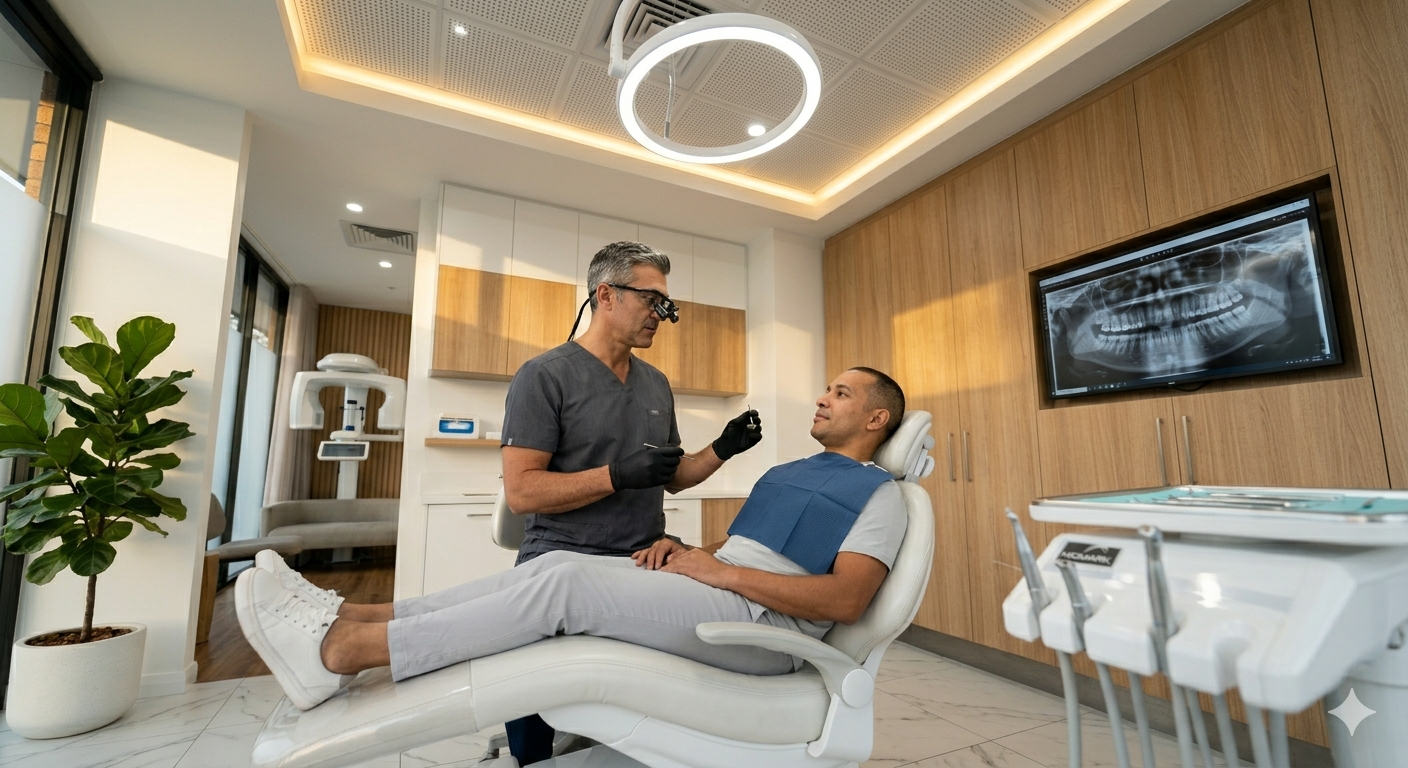
Dental implants are designed to replace missing teeth and restore oral function effectively. They involve a few key components and types tailored to individual needs. Implants also offer significant advantages that support lasting oral health and comfort.
Dental implants act as artificial roots made from titanium, a material well-accepted by the body. A dentist surgically places the implant into the jawbone, where it fuses naturally through a process called osseointegration. This stable foundation supports a crown, bridge, or denture.
Once healed, implants provide strong support for chewing and speaking, mimicking natural teeth in both function and appearance. The procedure usually involves several steps over a few months, allowing the bone to grow around the implant for maximum strength.
The most common type is the endosteal implant, which fits directly into the jawbone. These implants come in shapes like screws, cylinders, or blades, with screws being most popular. They suit patients with healthy jawbone density.
Subperiosteal implants sit on top of the jawbone but beneath the gum and are less common, usually reserved for those with insufficient bone height. There are also mini implants—smaller and less invasive—often used for stabilizing dentures.
Choosing the right implant depends on bone health, the number of missing teeth, and personal preferences for treatment duration and cost.
Dental implants help preserve jawbone density, reducing the bone loss that often follows tooth loss. Unlike traditional bridges, implants don’t rely on adjacent teeth, so they avoid unnecessary damage.
They also improve oral hygiene because they’re easier to clean than dentures and don’t require adhesives. Implants restore bite strength, which supports better nutrition and clearer speech.
Patients often find implants to be a durable, long-lasting solution, reducing the need for frequent dental work. They promote confidence and overall mouth health by maintaining proper tooth alignment and facial structure.
When looking at dental implants in Chesaning, prices can vary based on several specifics. Understanding what influences cost and how payment options work is key to making an informed decision.
Dental implant prices depend on multiple factors like the type of implant, the number needed, and the complexity of the procedure. For instance, a single implant typically costs less than a full-mouth restoration.
Additional procedures, such as bone grafting or sinus lifts, can raise the total. The choice of materials, including titanium posts or ceramic crowns, also impacts the cost. Local labor and facility fees in Chesaning influence pricing as well.
Patient health, including jawbone density, can require extra treatments, which adds to expenses. Transparent consultation helps patients understand their personalized cost before starting.
Chesaning offers several dental practices that provide implants with varying price points. Comparing them involves looking beyond just the sticker price.
Consider factors like experience, technology used, and aftercare services. A practice with advanced imaging tools, for example, may charge more but offer faster, more accurate treatment.
Reading reviews and asking for detailed quotes helps patients weigh cost against value. Some clinics may offer bundled pricing for implants and restorations, which can be more affordable.
Many dental offices in Chesaning offer payment plans to ease upfront costs. These typically break down the total into monthly installments.
Plans vary, with some offering interest-free periods or low-interest financing. It’s important to check for any hidden fees or strict qualification criteria.
Insurance, if applicable, might cover part of the implant procedure. Patients should inquire about coverage and combine it with payment plans for manageable budgeting.
Asking the dental office about financing options helps patients plan treatment without financial stress.
Finding affordable options for dental implants in Chesaning, MI, often means looking beyond standard pricing. Many local practices offer ways to reduce costs through specific programs and partnerships designed to ease financial concerns.
Dental clinics in Chesaning often provide discount programs tailored for new patients, seniors, or families. Some offices offer a percentage off the total implant procedure or waive consultation fees. Seasonal promotions, especially in slower months, can include discounted implant pricing or bundled treatment packages, such as implants with follow-up cleanings at reduced rates.
Patients should ask about payment plans with low or no interest, which allow spreading costs over time. These plans make implants easier to afford without compromising care quality. Being proactive about checking for specials can save hundreds or even thousands.
Chesaning residents can also explore community health programs or nonprofit organizations offering assistance for dental implant needs. Some local health clinics collaborate with dental schools or volunteer dentists who provide reduced fees on implant surgeries.
Additionally, healthcare credit cards like CareCredit are widely accepted and help bridge payment gaps. Checking nearby dental societies or local health departments might uncover grants or temporary financial aid available for qualifying patients. These resources can make implants more attainable for those on tighter budgets.
Getting dental implants involves several key stages that ensure a strong, natural-feeling replacement tooth. The process requires careful planning, precise surgery, and mindful healing to achieve the best results.
At the first appointment, the dentist evaluates oral health with a thorough exam and X-rays or 3D scans. This helps assess bone density and the jaw’s overall condition, which are crucial for implant success.
The dentist discusses medical history, expectations, and budget. They might recommend treatments like bone grafting if the jawbone lacks sufficient support. Together, they create a personalized treatment plan outlining the timeline and costs. Patients often appreciate understanding each step before moving forward.
The surgery begins with numbing the area to ensure patient comfort. The dentist then places the titanium implant post into the jawbone, acting as a root substitute.
Once positioned, the implant is covered and allowed to integrate with the bone over several months—a process called osseointegration. In some cases, a temporary crown or bridge may be attached during healing for aesthetics. The surgery is generally straightforward, with minimal discomfort controlled by prescribed pain relief and care instructions.
Healing takes about 3 to 6 months, during which the bone fuses to the implant for stable support. During this time, patients should follow specific guidelines: avoid hard foods, practice good oral hygiene, and attend follow-up visits.
Once healing is complete, an abutment is placed on the implant to connect the permanent crown. Ongoing maintenance involves regular dental cleanings and daily brushing to protect the implant and surrounding gums. Proper care helps the implant last for many years, restoring confident, comfortable smiles.
Finding a dental team that matches your needs involves more than just technical skill. Comfort, clear communication, and transparency about treatment options play a big role in a successful dental implant experience.
A caring dental provider listens to your concerns and explains procedures in simple language. They prioritize patient comfort through gentle techniques and pain management options.
Trustworthy dentists keep up with the latest implant technology, ensuring treatment is both effective and affordable. They should offer personalized care plans that fit your budget and oral health needs. Friendly staff who create a welcoming atmosphere can ease any dental anxiety you might feel.
Look for teams that encourage questions and take time to assess your full dental history before recommending implants.
Before committing to implants, ask about the dentist’s experience with dental implant procedures. How many implants have they placed, and what success rates do they report?
Inquire about the materials used, potential risks, recovery time, and follow-up care. A transparent provider will offer cost estimates upfront, along with financing or payment plan options.
Clarify what makes their practice different from others in Chesaning, MI, especially regarding patient comfort and technology. Don’t hesitate to ask about alternatives to implants if you’re unsure.
These questions help you feel confident and informed throughout your treatment journey.
Keeping dental implants healthy requires consistent care and attention. Proper habits and regular visits to the dentist help protect the investment made in your smile, ensuring it lasts for years.
Dental implants need the same dedication as natural teeth to stay clean and free from plaque. Brushing twice a day with a soft-bristle toothbrush and non-abrasive toothpaste removes buildup without damaging the implant surfaces.
Flossing around implants is essential to clear food debris and prevent gum irritation. Using special implant-friendly floss or interdental brushes can make this easier and more effective. Avoid hard or sticky foods in the first weeks to allow healing.
Drinking plenty of water and avoiding tobacco products supports gum health, which is crucial around implants. Maintaining a balanced diet with limited sugary snacks also helps prevent gum disease that could affect implant stability.
Regular dental visits are vital to monitor the implants and surrounding tissues. Dentists check for signs of inflammation, plaque accumulation, or any mechanical problems with the implant components.
Typically, dental implant patients should see their dentist every six months, though some may benefit from more frequent cleanings. During these visits, professionals use special tools to clean around implants gently without scratching their surfaces.
X-rays might be taken periodically to assess bone integration and detect any issues early. Addressing concerns promptly prevents complications and keeps implants functioning properly over time.
Dental implants in Chesaning, MI, offer more than just a new smile—they help people feel whole again. Missing teeth can affect how someone speaks, eats, and interacts with others. Implants provide a stable, natural-looking solution that supports daily functions comfortably.
Patients often notice an immediate boost in self-esteem once their implants are in place. They no longer need to hide their smiles or avoid social situations. This renewed confidence can improve personal relationships and overall well-being.
Besides appearance, implants help maintain oral health. Unlike dentures, implants prevent bone loss by stimulating the jawbone. This keeps the face’s shape intact and reduces the risk of future dental problems.
Key benefits for patients include:
For many, the journey to implant treatment begins with a simple consultation. Discussing options and concerns helps make affordable dental implants in Chesaning a realistic choice. It’s a step toward a healthier mouth and a brighter, more confident smile.
Choosing affordable dental implants in Chesaning, MI, is the beginning of a positive change. The first step is scheduling a consultation with a trusted local dentist. This visit lets them evaluate the patient’s oral health and discuss personalized treatment options.
During the appointment, the dentist will explain the implant procedure clearly. They will review factors like bone health, medical history, and budget to create a comfortable plan. Patients can ask questions about recovery, costs, and any concerns they may have.
After the consultation, patients usually follow these steps:
Maintaining good oral hygiene during this process is crucial. Brushing, flossing, and regular check-ups help ensure long-term success. The dentist may also recommend specific products to support healing.
Encouraging patients to take the next step with confidence is key. Consulting a local expert makes dental implants more approachable and affordable. It’s a practical chance to improve both function and appearance — one comfortable visit at a time.
Understanding the cost, comfort, and timeline of dental implants helps patients feel confident about their choices. Knowing about payment options and candidacy criteria makes the process smoother and less stressful.
The cost depends on the number of implants needed, the type of implant, and any additional treatments like bone grafts. Location and the dentist’s experience also influence pricing. Budgeting should include consultation fees, surgery, and the crown placement.
Many dental offices offer monthly payment plans or partner with financing companies. These options break up the total cost into smaller, manageable payments without waiting to save the full amount. It’s wise to ask your dentist about available financing.
Implants feel more like natural teeth and don’t slip or cause gum irritation. They preserve jawbone health better than dentures or bridges. Despite higher upfront costs, implants typically last longer, requiring less maintenance.
After an initial exam, the implant post is surgically placed into the jawbone. Healing and bone integration take three to six months before the crown is attached. The total time varies depending on individual healing and any preparatory procedures.
Local anesthesia numbs the area, so patients feel little to no pain during surgery. Some may experience mild swelling or discomfort afterward, manageable with over-the-counter pain relievers. The dentist will provide specific aftercare instructions to ensure comfort.
A dental exam and imaging assess bone density and gum health. If bone loss is significant, bone grafting can restore support for implants. Overall health and oral hygiene also affect candidacy, so patients should discuss their medical history openly with their dentist.