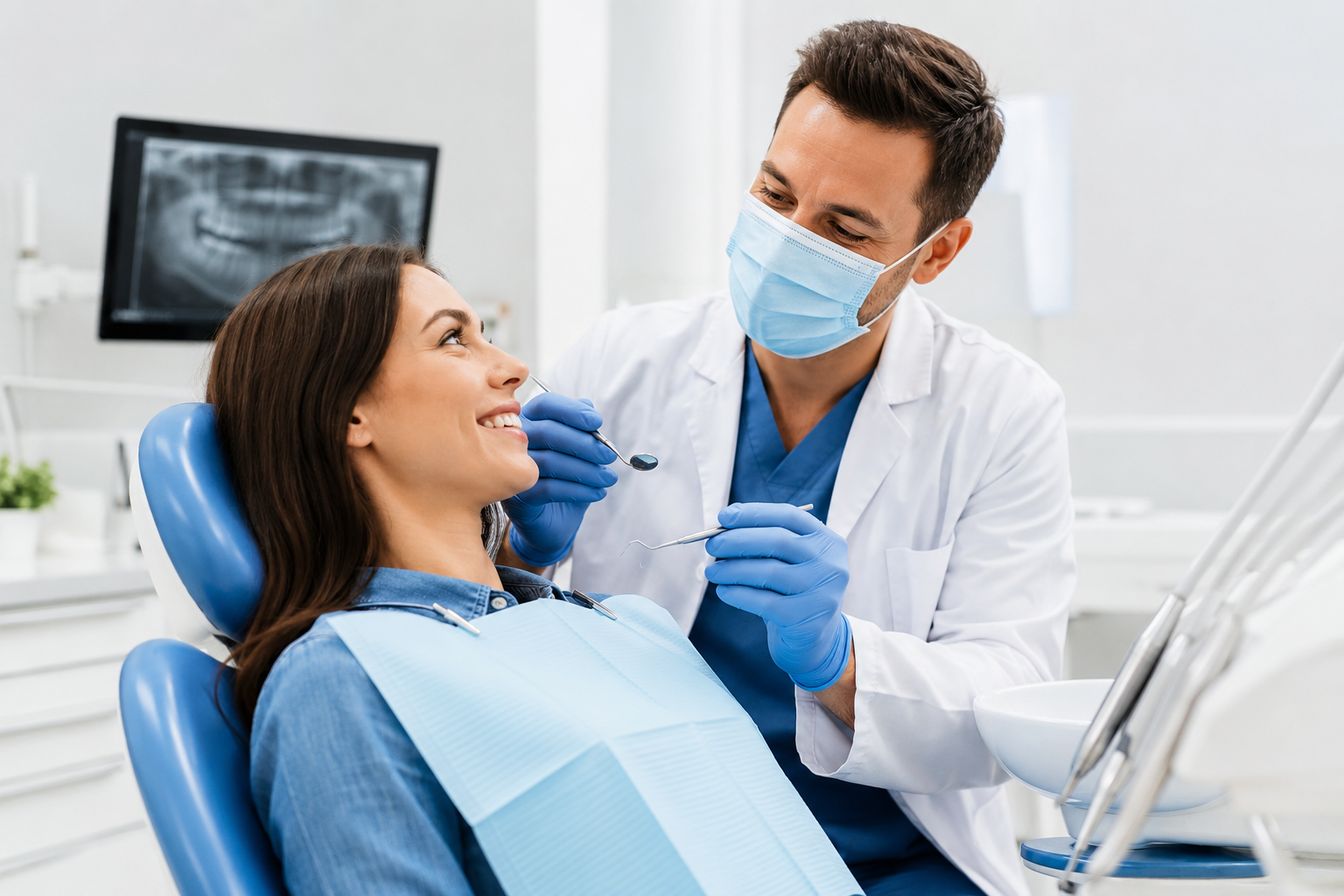
You face decisions about routine checkups, fillings, and comfort options in Chesaning — and knowing the difference between general dentistry and other choices saves time, money, and worry. General dentistry handles preventive care, basic restorative work, and ongoing oral health management that most people in Chesaning need; specialists or alternative providers help with advanced or specific issues.
They will explain what a general dentist does, how alternatives such as specialists, cosmetic practices, or urgent care differ, and which options match common local concerns like access, cost, and emergency care. Expect clear comparisons of services, modern treatment options, and tips for finding a trusted dental partner in your community.
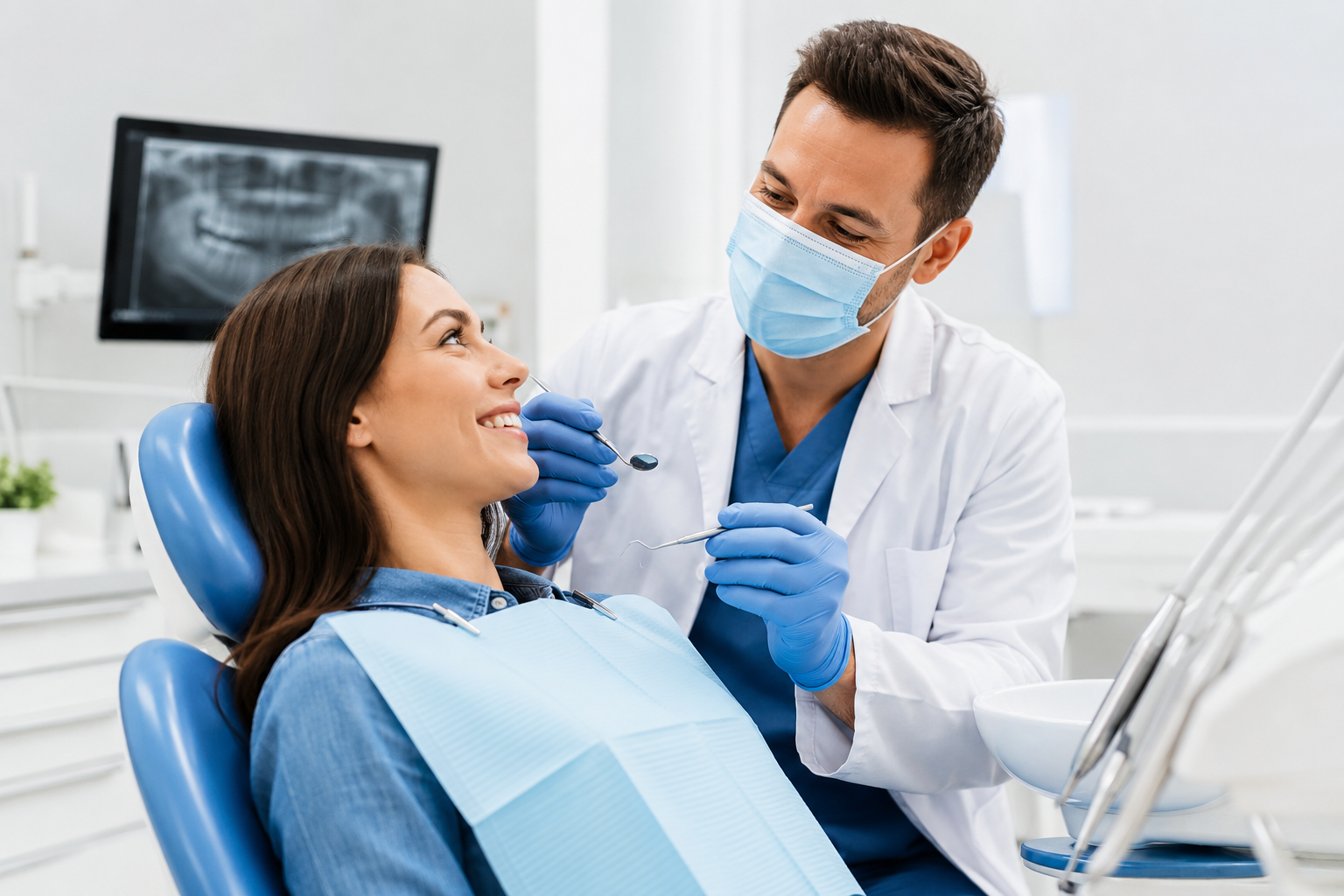
General dentistry focuses on preventing, diagnosing, and treating common dental problems to keep teeth and gums healthy. It includes regular checkups, cleanings, fillings, and patient education that help residents of Chesaning maintain function, comfort, and appearance.
Preventive services reduce the chance of cavities, gum disease, and tooth loss through scheduled care. Dentists provide professional cleanings that remove plaque and tartar, fluoride treatments that strengthen enamel, and dental sealants to protect chewing surfaces of molars from decay.
Digital x-rays and oral cancer screenings catch problems early when treatment is simpler and less costly. For patients with dry mouth, braces, or a history of cavities, dentists recommend personalized prevention plans that may include prescription fluoride, targeted hygiene techniques, or more frequent visits.
Children and adults both benefit from prevention; dentists monitor growth, eruption patterns, and bite alignment in kids while managing periodontal risk factors in adults. Preventive care lowers emergency visits and preserves natural teeth longer, which supports eating, speaking, and confidence.
Routine exams typically occur every six months, though frequency adjusts for individual risk. During an exam, the dentist inspects teeth and gums, checks restorations, evaluates bite, and updates medical and dental histories to spot changes that affect oral health.
Hygienists perform scaling and polishing to remove deposits above and below the gumline that brushing misses. They also demonstrate brushing and flossing techniques and may apply fluoride or sealants during the same visit to reduce decay risk.
X-rays taken as indicated reveal hidden decay, bone loss, or impacted teeth. When problems appear, the dentist discusses options like fillings, root canals, or periodontal therapy and outlines next steps, costs, and expected recovery to help patients make informed choices.
Patient education centers on practical, evidence-based guidance the dental team tailors to each person’s needs. Dentists explain why certain foods increase cavity risk, how to manage sensitivity, and which oral care products match conditions such as braces, implants, or gum disease.
Instruction includes hands-on demonstrations of brushing angles, flossing methods, interdental brushes, and tongue cleaning to improve daily effectiveness. For patients who smoke, have diabetes, or take medications that affect oral health, the team offers specific strategies to reduce risks and monitor changes more closely.
The practice also reviews preventive schedules, when to seek urgent care, and how to maintain restorations. Clear, step-by-step guidance empowers patients in Chesaning to protect their oral health between visits and feel confident about treatment decisions.
This section outlines how other dental services differ in scope, cost, and patient experience. It highlights when to choose a specialist, when cosmetic work may be appropriate, and what to expect from emergency-only clinics.
Specialists like endodontists, periodontists, and oral surgeons handle focused problems beyond a general dentist’s routine care. An endodontist treats complex root canals, a periodontist manages advanced gum disease with scaling, root planing, and surgical grafts, and an oral surgeon performs extractions, implant placements, and corrective jaw surgery.
Referrals usually follow diagnostic findings: persistent pain, deep bone loss on X-rays, or failed prior treatments. Specialists often use advanced imaging (CBCT scans) and sedation options not commonly available in general practices. Cost and time can be higher, but specialist care reduces risk of recurrent problems and improves long-term outcomes for complex cases.
Cosmetic dentistry focuses on appearance: veneers, whitening, bonding, and orthodontic aligners are common choices. Veneers correct chips, gaps, and discoloration with porcelain shells bonded to front teeth; bonding uses composite resin for smaller fixes; professional whitening lightens stains safely; clear aligners gently shift teeth without metal braces.
Patients should weigh durability, maintenance, and cost. Veneers and crowns require enamel alteration and carry higher expense but last years with good care. Whitening is affordable but may need touch-ups. A consultation assesses tooth health, bite alignment, and budget to recommend the best cosmetic path.
Emergency clinics treat urgent conditions like severe toothache, swelling, trauma, or uncontrolled bleeding. They stabilize pain with extractions, temporary fillings, antibiotics, or drainage, focusing on immediate relief rather than definitive long-term restorations.
These services often operate outside regular office hours and accept walk-ins, but they may not provide comprehensive follow-up care. Patients should follow up with a general dentist or specialist for definitive treatment—root canals, crowns, or periodontal therapy—once the acute problem resolves to prevent recurrence.
Look for a practice that balances preventive care, restorative skill, and clear communication about options and costs. Prioritize providers who offer same-day restorative services, pediatric care, and modern anesthetic or sedation choices when needed.
Families should confirm that the practice schedules well-baby and pediatric dental visits, accepts their insurance or offers clear fee schedules, and provides fluoride, sealants, and routine cleanings on a predictable timetable. Ask whether the dentist treats children and teens in the same office or refers them out, and check staff training in pediatric behavior guidance and emergency pediatric care.
Check appointment flexibility: evening or Saturday hours and bundled family appointments reduce missed school or work. Review the office’s approach to preventive education—does the team give tailored home-care plans and dietary advice for each child? Verify that the practice maintains digital records and sends automated reminders to simplify care coordination.
Comfort starts with a calm reception and transparent policies on pain management. Look for offices that offer topical anesthetics, local anesthesia with clear procedural explanations, and sedation options (nitrous oxide or oral sedation) documented in consent forms.
Evaluate physical features: private operatories, noise-reducing headphones, and child-friendly waiting areas can reduce anxiety. Read online patient reviews for mentions of chairside manner, wait times, and staff responsiveness. Confirm accessibility features—wheelchair ramps, adjustable chairs, and single-visit crown technology—to support patients with mobility or time constraints.
New tools and techniques let dentists detect problems earlier and treat teeth with less discomfort. Patients in Chesaning, MI can expect faster diagnoses, lower X‑ray exposure, and treatments that preserve more natural tooth structure.
Digital X‑rays reduce radiation by up to 60–80% compared with traditional film and produce images instantly. Dentists can enlarge and enhance photos on a computer to spot small cavities, bone loss, or root issues that might be missed on film.
Many practices in Chesaning use sensors or phosphor plates that connect to imaging software. That software measures bone density, maps root canals, and stores images in the patient chart for easy comparison over time. Results speed treatment planning: dentists can explain findings in plain language, show images on a chairside monitor, and discuss options during the same visit.
Other diagnostic tools — intraoral cameras and digital caries detection devices — complement X‑rays. These tools reveal cracks, early enamel breakdown, and stain vs. decay differences, helping avoid unnecessary drilling.
Minimally invasive dentistry focuses on removing the least amount of tooth while restoring function and appearance. Techniques include air abrasion, resin infiltration, adhesive composite fillings, and selective caries removal guided by diagnostics.
Air abrasion uses a fine stream of abrasive powder to remove decay without a drill in many cases, reducing the need for anesthesia. Resin infiltration arrests early interproximal lesions by penetrating and stabilizing porous enamel, often preventing full‑size fillings. Adhesive composites bond directly to tooth structure, allowing smaller preparations and better aesthetics than amalgam.
For larger restorations, conservative onlays and partial crowns preserve more cusps than full crowns. Laser dentistry can soften decay and treat gum tissue with less bleeding and swelling. These options shorten recovery, lower sensitivity risk, and help maintain long‑term tooth strength.
Preventive care in general dentistry focuses on routine exams, cleanings, and early detection of problems. These simple steps reduce the chance of cavities, gum disease, and more complex treatments later on.
Patients who choose regular checkups benefit from consistent monitoring of oral health. X-rays and oral cancer screenings catch issues before they become painful or costly, and professional cleanings remove plaque that home care can miss.
Alternatives like specialty clinics or urgent-care tooth services address specific needs but often lack the continuity of a general dentist. Continuity means records, personalized care plans, and a provider who understands a patient’s dental history and preferences.
Preventive care saves money over time. Treating small issues early—think fillings instead of root canals—reduces both financial and emotional stress for patients and families.
Behavioral advice and tailored home-care instructions form part of preventive visits. Fluoride treatments, sealants, and personalized hygiene tips help strengthen enamel and lower decay risk.
Benefits extend beyond teeth to overall health. Managing gum disease can lower risks linked to diabetes and heart conditions, so regular dental care supports whole-body health.
They should consider scheduling an exam if it’s been more than six months since the last dental visit. A friendly consultation can clarify options, create a preventive plan, and answer questions about alternatives or advanced treatments.
Patients find practical solutions for nervousness, costs, and scheduling near Chesaning by choosing clinics that offer clear communication, modern pain control, and flexible payment options. Local practices also provide preventive care plans and referrals to specialists in Saginaw County when complex treatment is needed.
They often feel more relaxed when a practice uses proven techniques: short pre-visit calls, distraction (music or TV), and step-by-step explanations before any procedure. Clinics in Chesaning commonly offer nitrous oxide for mild to moderate anxiety, topical numbing for injections, and oral sedatives prescribed after a brief medical review.
A typical anxiety protocol includes a calm check-in, written consent that outlines each step, and the option for a staff member to stay nearby during treatment. Patients should bring a support person, discuss past bad experiences, and request a trial appointment for a simple cleaning to build trust.
Practical tips: arrive 10–15 minutes early, avoid caffeine, and disclose medications or breathing issues. If severe claustrophobia or panic exists, ask about referral to a board-certified anesthesiologist for IV sedation at a nearby surgical center.
Many Chesaning practices accept major PPO plans and file claims electronically; patients should call the office with plan name and ID to confirm in-network status before booking. For Medicaid or CHIP, availability varies—verify coverage and any age or treatment exclusions ahead of time.
Offered payment options frequently include credit cards, CareCredit, in-office payment plans, and sliding-fee scales for qualifying low-income residents. Practices post clear fee estimates for common services like exams ($50–$120), cleanings ($65–$150), and crowns ($900–$1,400), but exact pricing depends on materials and lab fees.
Patients should request an itemized pre-treatment estimate and a written treatment plan showing alternatives (e.g., filling vs. crown) and the long-term costs. Many offices provide preventive-care bundles and recall reminders to reduce the chance of costly emergency treatment later.
Patients should consider a specialist when a problem falls outside the scope of routine general dentistry. Complex root canal retreatments, advanced gum disease that may need surgery, and severe jaw or bite problems often require an endodontist, periodontist, or orthodontist.
If teeth are fractured below the gum line or an implant is needed, referral to an oral surgeon or prosthodontist is common. These specialists use advanced imaging and surgical techniques to restore function and esthetics safely.
Persistent pain, repeated infections after treatment, or unexplained numbness are signs to seek specialist care promptly. Early referral can prevent larger procedures later and improve long-term outcomes.
Children with growth-related bite issues are best seen by an orthodontist early for evaluation. Likewise, patients seeking full-mouth rehabilitation or complex cosmetic work benefit from a coordinated team that may include multiple specialists.
Patients with medical conditions like uncontrolled diabetes, bleeding disorders, or a history of head and neck radiation should see dental specialists familiar with those risks. Specialists collaborate with physicians to tailor safe treatment plans.
Encourage patients to ask their general dentist why a referral is recommended and what to expect from the specialist visit. A clear explanation helps patients feel comfortable and informed about next steps.
Patients benefit most when they treat the dentist-patient relationship as a team effort. Regular visits, honest communication about symptoms and concerns, and follow-through on home care build trust and improve outcomes.
A good dentist explains options clearly and helps patients weigh benefits, risks, and costs. They listen to preferences—such as prioritizing conservative care or choosing cosmetic enhancements—and tailor treatment plans accordingly.
Consistency matters: seeing the same dentist and hygienist lets them notice subtle changes over time. That continuity catches problems earlier and reduces the need for complex procedures later.
Practical habits support the partnership. Patients keep a simple checklist: attend routine cleanings, bring a list of questions to appointments, update medical history, and report new pain or sensitivity promptly.
Financial and scheduling transparency reduces stress. Dentists in Chesaning, MI often offer payment plans, insurance guidance, and flexible appointments to accommodate work and family life.
Patients should expect modern comforts and pain-minimizing techniques. If anxiety is an issue, they should discuss sedation options or calming strategies before treatment.
Encourage patients to ask questions and request demonstrations—such as brushing or flossing technique—during visits. Doing so empowers them and strengthens the long-term relationship toward better oral health.
This section answers specific choices between general dentistry and alternatives in Chesaning, MI, focusing on when to see a specialist, office types, restorative options, orthodontic choices, review evaluation, and comfort measures. Each answer gives practical markers or criteria patients can use to decide next steps and discuss options with their local dentist.
General dentists handle routine care: cleanings, fillings, simple extractions, crowns, and basic root canals.
See a specialist when complexity increases — oral surgeons for surgical extractions or implants, endodontists for difficult root canals, periodontists for advanced gum disease, and prosthodontists for complex full-mouth rehab.
Referral signs include persistent pain after treatment, root canal anatomy that’s hard to treat, significant bone loss, or need for complex cosmetic or reconstructive work.
Ask the general dentist about experience, success rates, and whether a consult with a specialist would improve predictability.
Family dental offices often offer continuity of care, personalized treatment plans, and quicker relationship-building with staff.
They may limit evening or weekend hours and might not have access to corporate-level purchasing discounts for some technologies.
Corporate chains can provide extended hours, multiple locations, and standardized protocols that streamline insurance and billing.
They sometimes rotate clinicians and prioritize throughput, which can affect individualized time with the dentist.
Choose dental implants when one or more teeth are missing and the patient has sufficient bone or can undergo bone grafting.
Implants preserve adjacent teeth because they don’t require grinding healthy neighbors like a bridge does.
Bridges and partial dentures suit patients seeking lower upfront cost or when medical issues make implant surgery risky.
Discuss long-term costs, maintenance, and function with the dentist; implants often last longer and feel more like natural teeth.
Clear aligners work well for mild to moderate crowding, spacing, and some bite corrections in adults.
They offer a discreet, removable option that fits typical adult schedules and hygiene routines.
Complex bite problems, large tooth movements, or certain rotations may still need fixed braces or combined treatments.
A clinical exam and digital scans will show whether aligners can meet the patient’s aesthetic and functional goals.
Look for recent reviews that mention specific procedures, staff professionalism, pain management, and appointment punctuality.
Consistent comments about communication, follow-up care, and treatment explanations indicate reliable patient-centered care.
Beware reviews that focus only on price or singular extreme experiences; balance star ratings with detailed narratives.
Confirm credentials on the office website and check local health board records for complaints or disciplinary history.
Topical numbing and local anesthetic handle most pain concerns for restorative work.
Oral sedatives, nitrous oxide (laughing gas), and IV sedation provide increasing levels of relaxation for anxious or lengthy procedures.
Behavioral techniques — guided breathing, pre-visit orientation, and noise-cancelling headphones — reduce stress for many patients.
Ask the office about sedation training, monitoring standards, and recovery instructions before scheduling.