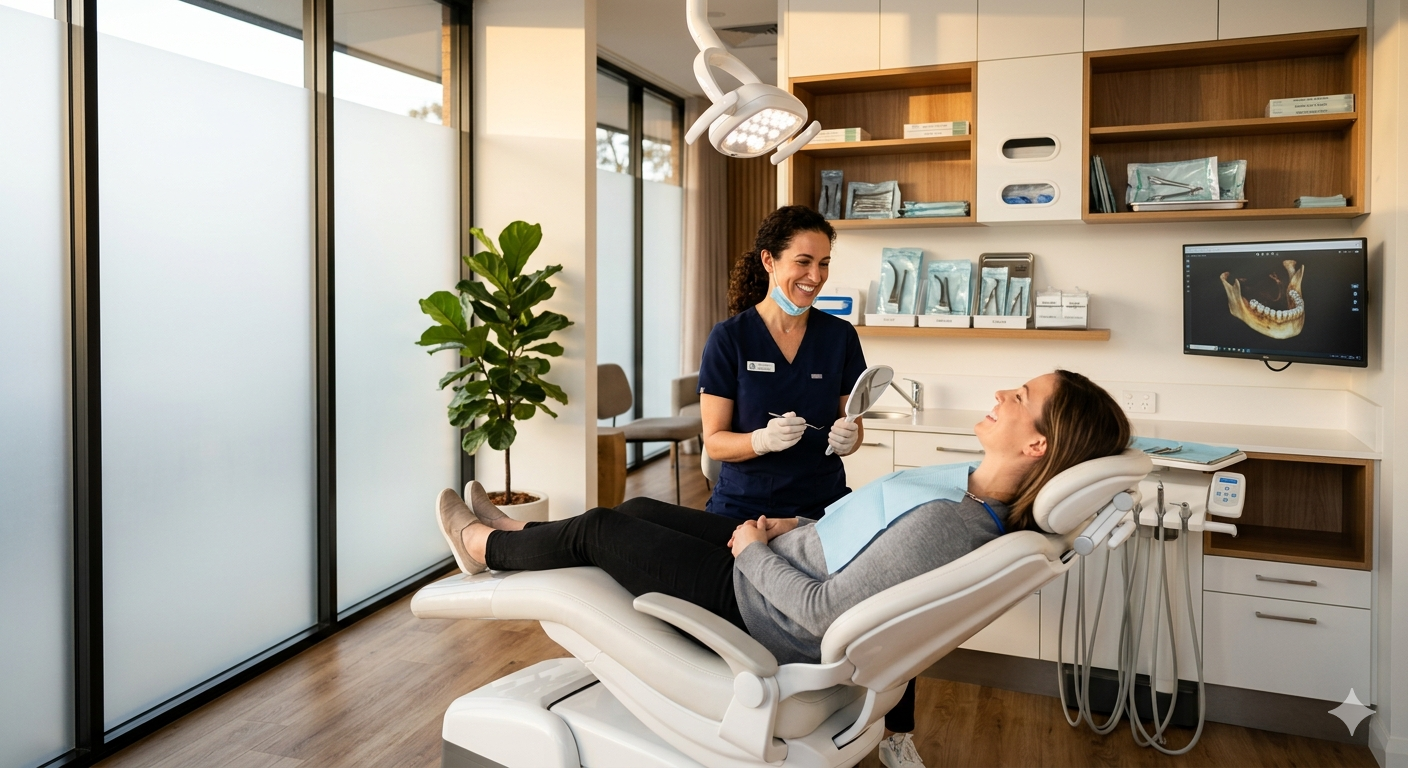
1775138876557 58453b83 Gemini Generated Image X9f6adx9f6adx9f6

Emergency Dental Care Chesaning MI: Immediate Relief and Trusted Local Treatment Options

If you face a sudden toothache, a knocked-out tooth, or bleeding after an injury in Chesaning, act quickly to protect long-term dental health. You can get same-day emergency care in Chesaning that stabilizes pain, saves teeth when possible, and prevents complications.

This article explains how to recognize true dental emergencies, what to do before you reach a dentist, and what to expect at a local emergency visit. It also covers common treatments, aftercare, and practical tips for choosing a trusted emergency dentist in the Chesaning community so you feel prepared when minutes matter.

Recognizing Dental Emergencies
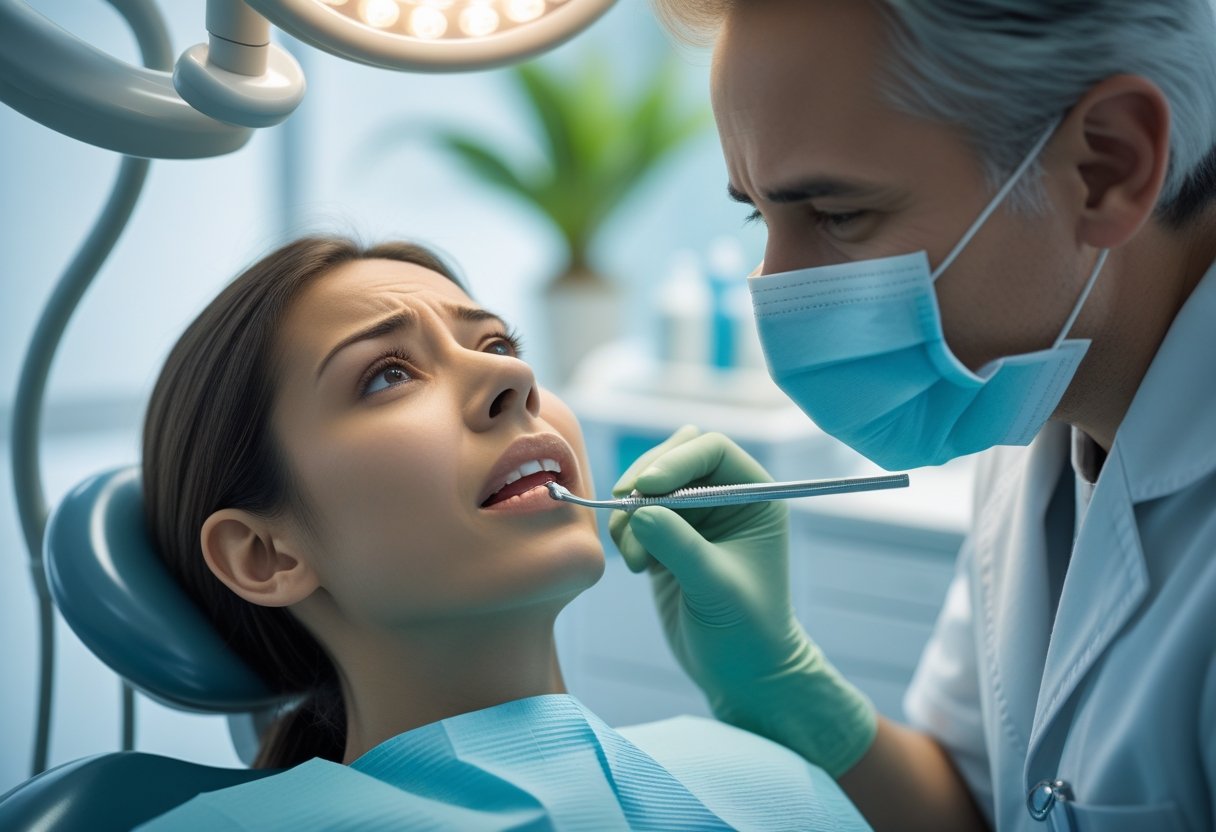
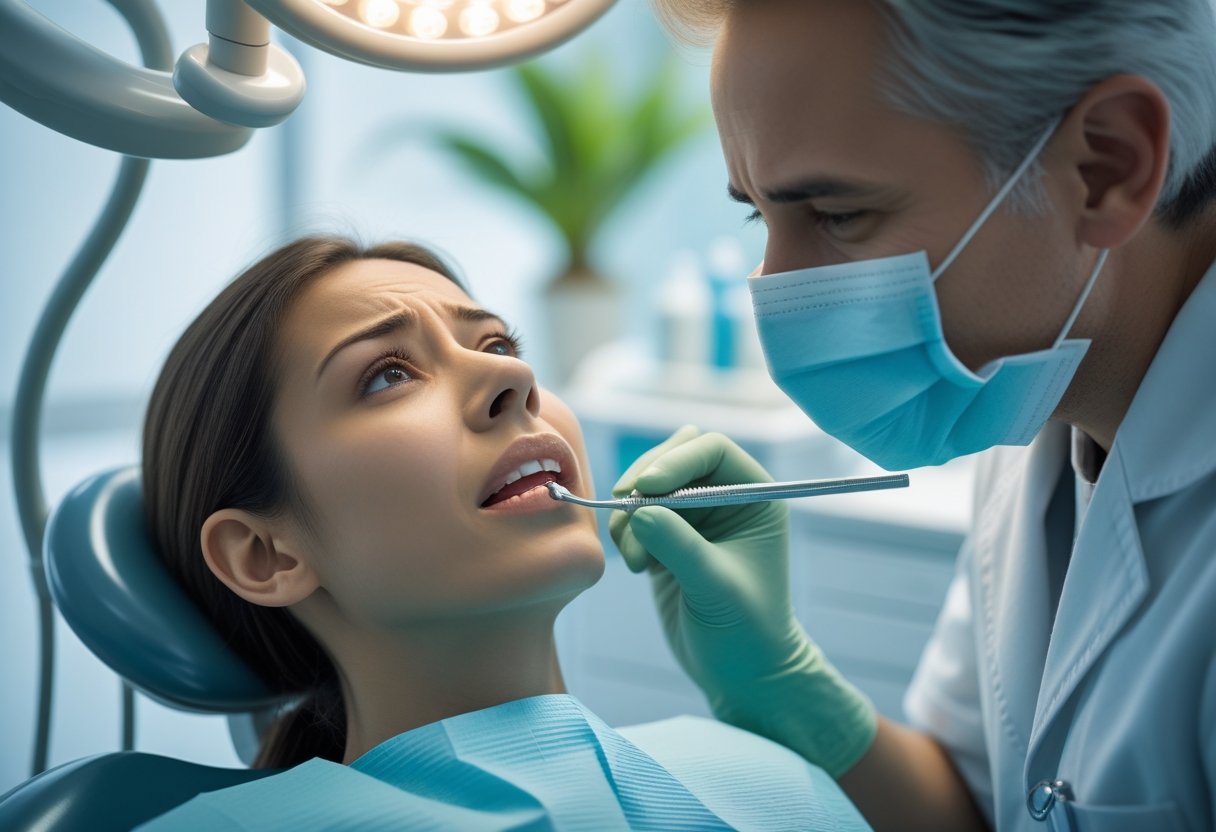
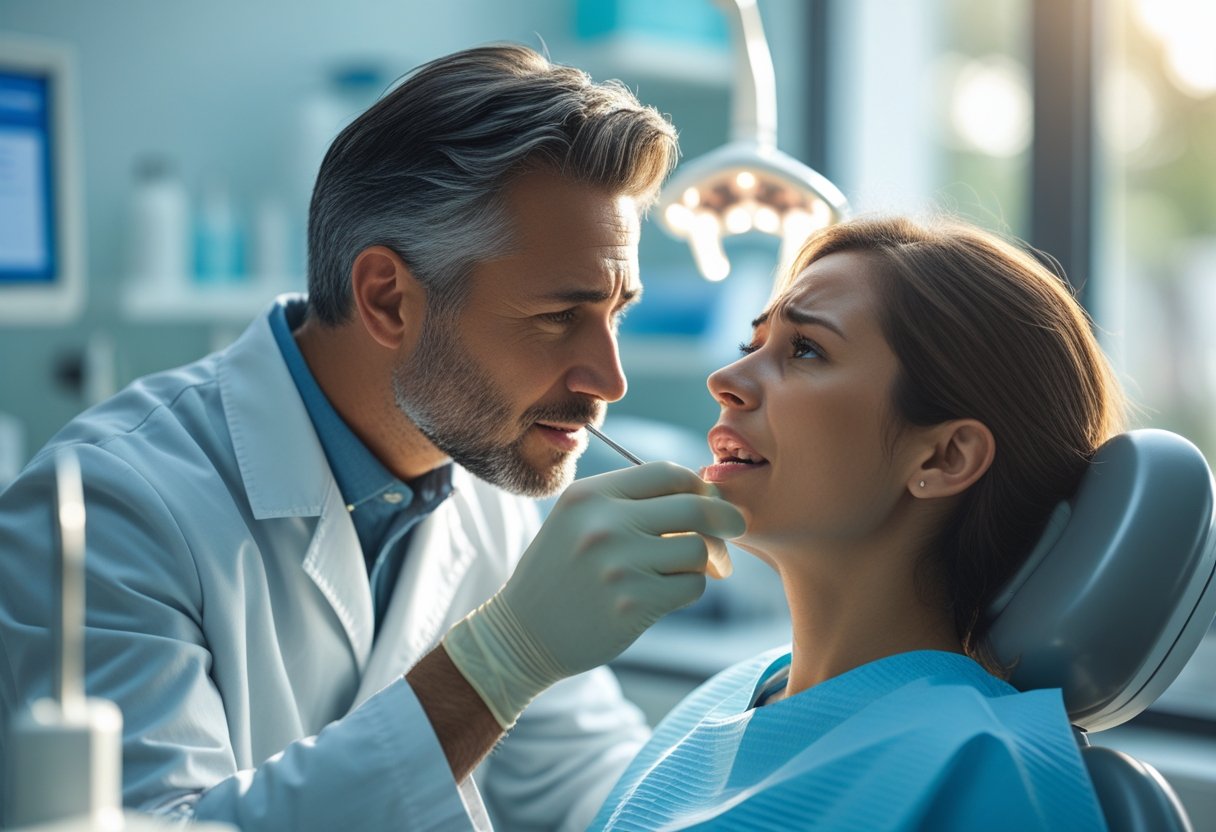
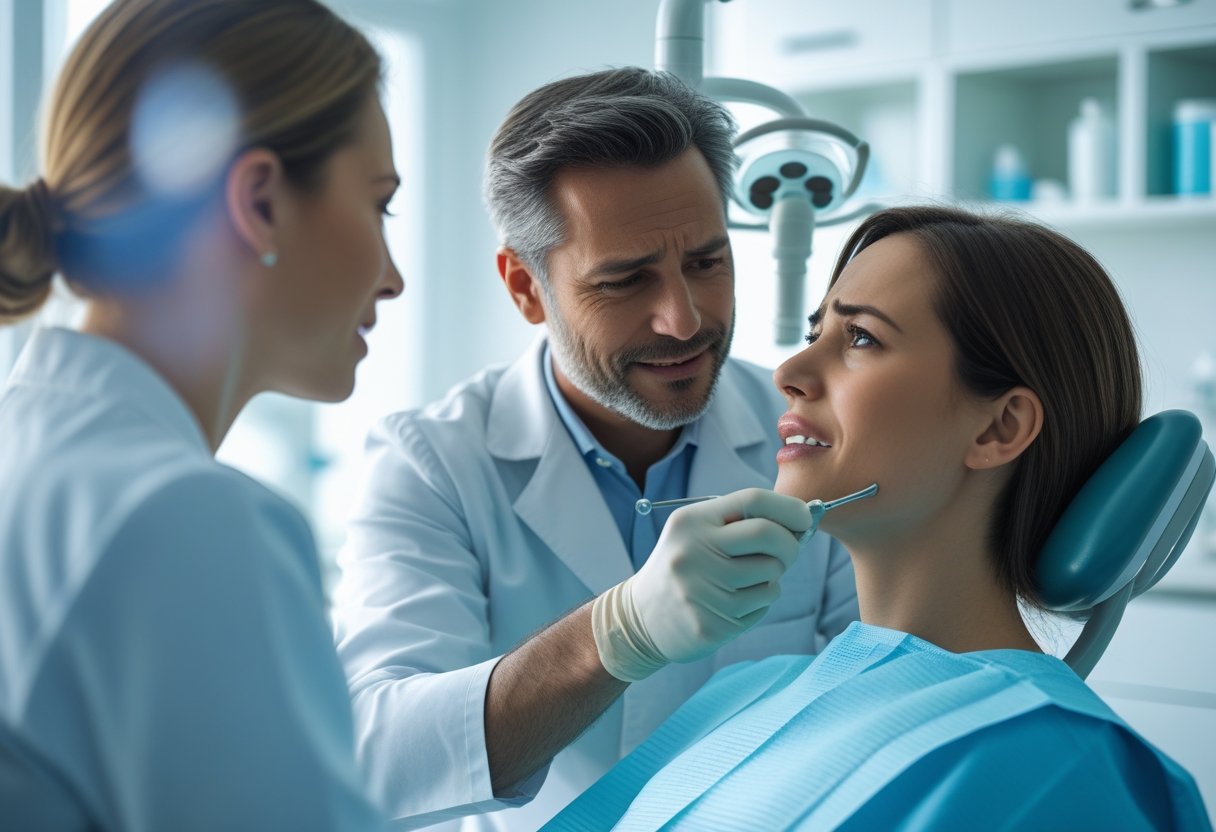
Blog image

This section lists clear warning signs, common emergency scenarios, and guidance on when to seek immediate care versus scheduling prompt but non-emergent treatment.

Common Signs You Need Urgent Dental Help

Severe, persistent tooth pain that prevents sleep or normal activity often indicates infection, nerve damage, or an abscess. If pain is sharp, throbbing, or radiates into the jaw, cheek, or ear, the person should contact a dentist right away.

Uncontrolled bleeding after dental trauma or extraction is a red flag. Bleeding that soaks through gauze for more than 20–30 minutes or returns after stopping requires urgent evaluation.

Swelling of the face, neck, or mouth that affects breathing, swallowing, or speech suggests spreading infection. Fever with oral swelling or severe pain raises concern for systemic involvement and needs prompt attention.

Loose, knocked-out, or fractured teeth that cause pain or change bite alignment need timely care to improve outcomes and possibly save the tooth. Persistent numbness, tingling, or changes in sensation also warrant quick assessment.

Situations That Require Immediate Attention

Loss of consciousness, facial bone fracture after trauma, or signs of airway compromise demand emergency department transfer before dental care. These scenarios risk airway obstruction or life-threatening bleeding and need medical stabilization.

Rapidly spreading facial swelling, difficulty breathing, or difficulty swallowing signals a deep-space infection such as Ludwig’s angina. Call emergency services and a dentist immediately; intravenous antibiotics and hospital care may be necessary.

A tooth knocked completely out (avulsed) has the best chance of being replanted within one hour. Keep the tooth moist in milk or saline, avoid touching the root, and seek emergency dental treatment without delay.

Severe uncontrolled bleeding, severe uncontrolled pain unrelieved by over-the-counter medication, or signs of systemic infection (high fever, chills, malaise) require same-day dental or emergency medical attention.

When to Wait and When to Act Fast

Minor chip without pain, slight sensitivity, or a lost filling that does not cause acute pain can often wait for a same-day dental appointment. Use over-the-counter pain relief, a temporary filling kit, and avoid chewing on the affected side until seen.

Persistent mild toothache without swelling, stable broken crown, or cosmetic concerns that do not affect function usually merit prompt but non-emergent scheduling within a few days. Record symptoms, take photos, and call the dental office for triage advice.

Act fast for worsening pain, spreading swelling, fever, bleeding that won’t stop, or any trauma with broken jaw or knocked-out teeth. These require immediate or emergency care to prevent complications and preserve oral health.

Patients should call their dental office or an emergency dental clinic in Chesaning, MI, when in doubt. Early contact helps prioritize care and prevents small problems from becoming emergencies.

What To Do Before You Reach The Dentist

Act quickly and calmly. Stabilize the situation, collect important information, and prepare basic items to bring to the appointment.

Quick First Aid For Tooth Pain Or Injury

For severe tooth pain, rinse the mouth with warm salt water (1/2 teaspoon salt in 8 ounces of water) to reduce bacteria and ease irritation. Take over-the-counter ibuprofen or acetaminophen following package directions; avoid placing aspirin directly on the gums or tooth.

If a tooth is knocked out, pick it up by the crown (not the root), gently rinse debris with water, and try to reinsert it into the socket if the patient can tolerate it. If reinsertion isn’t possible, place the tooth in milk or Hank’s Balanced Salt Solution, or keep it in the patient’s mouth between cheek and gum for transport.

For a chipped or cracked tooth, save any fragments in milk or saline and apply a cold compress to the cheek to limit swelling. For uncontrolled bleeding, apply firm pressure with sterile gauze and seek immediate care. Avoid hard foods, hot or cold extremes, and chewing on the injured side.

Preparing For Your Emergency Visit

Call the dental office before leaving to describe symptoms, injury time, and any medical conditions or medications — this helps the team prioritize care and prepare supplies. Bring a list of current medications, allergy information, and photo ID; insurance cards help but most practices will treat emergencies regardless.

Pack a small kit: the removed tooth or fragments in milk, gauze, cold pack, pain medication (original bottle), and a face mask. Note the time of injury — especially for avulsed (knocked-out) teeth, because reimplantation success drops after about an hour.

If the patient is a child, bring a comfort item and a recent list of pediatric medications. If the patient has significant medical issues (heart disease, bleeding disorders, immunosuppression), mention these immediately so the dentist can modify treatment and coordinate with the patient’s physician if needed.

How To Keep Calm During Dental Distress

Encourage slow, steady breathing to reduce panic; inhaling for four counts and exhaling for six can lower heart rate and improve focus. Distraction helps: listening to calming music, counting backward from 100, or holding a familiar item can shift attention away from pain and anxiety.

Use clear, simple reassurances about next steps. Explaining that the office will triage, manage pain, and outline treatment options reduces fear of the unknown. If the patient uses anti-anxiety medication or nitrous oxide in routine care, mention this when calling so the clinic can plan similar comfort measures.

If a caregiver is present, have them speak calmly and take charge of logistics—driving directions, phone numbers, and consent details. Staying organized and vocal about needs makes the visit smoother and helps the dental team act quickly and effectively.

How Emergency Dental Visits Work In Chesaning

Most emergency dental visits in Chesaning start with quick intake, pain control, and a focused exam to determine immediate needs. Patients can expect clear steps: triage by phone or front desk, clinical assessment, and a treatment plan that prioritizes relief and preservation of natural teeth.

What To Expect During Your Appointment

The front desk confirms medical history, insurance, and the nature of the problem during check-in. A dental assistant or hygienist takes vital signs and any needed X-rays using digital radiography to speed diagnosis and reduce radiation exposure.

The dentist performs a focused exam of the affected tooth and surrounding tissues, checking for fracture, infection, swelling, or loose restorations. They document findings and explain options in plain language, highlighting risks, benefits, costs, and any urgent need for referral to oral surgery.

Pain control happens early: local anesthetic is standard for most procedures, and short-term prescriptions for antibiotics or analgesics are given when infection or severe pain is present. Administrative staff schedule follow-up care, whether definitive treatment that day or a next-available visit for root canal, crown placement, or extraction.

Typical Same-Day Procedures

Non-surgical treatments often resolve symptoms quickly. For example, emergency fillings or temporary crowns restore a broken tooth’s function and seal out bacteria, reducing pain and infection risk.

When the pulp is inflamed, the dentist may perform a pulpotomy or start a root canal procedure to relieve pressure and stop infection spread. Simple extractions for severely damaged teeth are completed under local anesthesia, sometimes with same-day placement of a temporary prosthesis if appropriate.

Incision and drainage for localized abscesses relieve pressure; antibiotics follow if systemic signs appear. The office uses modern instruments and materials—high-strength composite resins, bonded temporary crowns, and rotary endodontic tools—to complete many definitive steps in one visit.

Comfort And Care For Nervous Patients

Staff in Chesaning emergency practices prioritize a calm environment and clear communication. They explain each step before touching the mouth, use gentle techniques, and offer breaks during longer procedures.

For higher anxiety, options include nitrous oxide sedation, oral sedatives prescribed before the visit, or arranging treatment under monitored sedation at a specialized facility. Pediatric patients receive behavior guidance and child-friendly explanations to reduce fear.

Clinics also provide post-procedure instructions in writing and by phone, and follow up to check pain control and healing. They encourage questions and discuss preventive measures to avoid repeat emergencies, inviting patients to call with concerns at any hour.

Most Common Emergency Treatments

These emergencies typically require fast pain control, infection management, and tooth stabilization. Immediate steps often include pain relief, infection control with antibiotics when needed, and temporary or permanent repair to restore function.

Managing Toothaches And Abscesses

A severe toothache often signals pulp inflammation or an abscessed tooth and can cause throbbing pain, fever, or swelling. The dentist will first assess for spreading infection and signs of systemic involvement, then provide local anesthesia for comfort during examination and any urgent procedures.

Treatment usually involves either drainage of an abscess or root canal therapy to remove infected pulp tissue. If immediate root canal is not possible, the clinician may place a temporary sedative dressing and prescribe antibiotics (commonly amoxicillin or clindamycin for penicillin-allergic patients) plus an analgesic like ibuprofen.

Patients should rinse with warm salt water every few hours and avoid chewing on the affected side until treated. Persistent swelling, fever, or difficulty breathing requires emergency medical attention because it can indicate a spreading infection.

Handling Knocked-Out Or Broken Teeth

For an avulsed (knocked-out) tooth, time is crucial: replantation within 15–60 minutes offers the best chance of survival. Handle the tooth by the crown only, rinse gently with saline or milk if dirty, do not scrub the root, and reinsert into the socket if the patient is conscious and comfortable doing so.

If reinsertion isn’t possible, store the tooth in cold milk or a specialized saliva-preserving medium (Hank’s Balanced Salt Solution) and bring it to the clinic immediately. The dentist will assess root and socket damage, splint the tooth to adjacent teeth for 1–2 weeks, and may start a course of antibiotics and follow-up root canal therapy to prevent infection.

For teeth fractured below the gumline or with extensive crown-root damage, extraction and prompt discussion of replacement options (implant, bridge, or removable prosthesis) become necessary. Follow-up appointments monitor healing and long-term prognosis.

Treatments For Chipped Or Cracked Teeth

Small chips often require smoothing and a tooth-colored composite resin to restore shape and function in a single visit. Dentists match the composite shade to surrounding teeth and bond it directly to the enamel, which preserves tooth structure and provides immediate cosmetic improvement.

Cracks that extend into dentin or the pulp need more extensive care: options include a bonded crown to stabilize the tooth, root canal therapy if the pulp is involved, or extraction if the crack runs vertical into the root. A dentist will use bite tests, transillumination, and X-rays to locate the crack and determine prognosis.

In the meantime, patients should avoid hard foods, use a mouthguard for nighttime grinding, and take over-the-counter analgesics for pain. Early treatment improves success rates and reduces the chance of losing the tooth.

Immediate Solutions For Lost Fillings Or Crowns

When a filling falls out, food can collect in the cavity and cause sensitivity or decay. Patients can gently clean the area with a toothbrush and place temporary dental cement (available over the counter) or sugar-free gum until they can see the dentist.

If a crown dislodges, save it and bring it to the appointment; the dentist may recement it if the fit and tooth structure are adequate. If recementation isn’t possible due to decay or damage, the tooth may need re-preparation for a new crown or an onlay. A temporary crown or protective dressing will prevent sensitivity and further damage in the interim.

Pain control with NSAIDs and avoiding sticky or hard foods lowers the risk of additional harm. The dentist will evaluate the underlying tooth for recurrent decay and discuss permanent restorative options and timing.

Preventing Dental Emergencies

Routine care and sensible precautions greatly lower the chance of sudden dental problems. Brushing, flossing, timely dental visits, and using the right protective gear prevent most broken teeth, severe pain, and lost restorations.

Smart Habits For Healthy Teeth

They should brush twice daily with a fluoride toothpaste for two minutes, using a soft-bristled brush and gentle circular strokes. Flossing once a day removes plaque between teeth where decay often starts.

They should limit acidic and sugary drinks to mealtimes and rinse with water after consumption to reduce enamel erosion. Replace a toothbrush every three months or sooner after illness to keep bristles effective.
Regular dental checkups every six months catch small cavities and loose fillings before they become emergencies. If someone grinds teeth at night, a fitted nightguard protects restorations and prevents fractures.
Promptly treating a small chip or aching tooth reduces the chance of infection or a full fracture later. For patients with chronic dry mouth, discuss saliva substitutes and fluoride varnish with the dentist to lower decay risk.

Protective Gear For Sports And Activities

They should wear a custom or boil-and-bite mouthguard for any contact sport—football, hockey, lacrosse—or high-impact activities like skateboarding. A proper guard cushions teeth and reduces the risk of avulsion (tooth knocked out) and fractures.
For riders or cyclists, a full-face helmet provides added protection to the jaw and facial bones beyond a standard helmet. Spectators and participants in home improvement or yard work should use safety glasses to prevent debris-related tooth or soft-tissue injuries.
Store mouthguards in ventilated cases and replace them when they warp or after major dental work. If a tooth is knocked out, keep it moist in milk or saline and seek emergency dental care within an hour for the best chance of reimplantation.

Choosing A Trusted Emergency Dentist In Chesaning

A trusted emergency dentist combines fast access, clear communication, and the right equipment to handle pain, infections, and broken teeth. Patients should expect transparent fees, same-day appointment options, and staff who explain next steps calmly.

Qualities To Look For In A Dental Team

Look for a licensed dentist with specific emergency training, such as advanced life support certification and experience managing acute infections and trauma. Confirm the practice lists emergency procedures—tooth extraction, root canal therapy, and suturing—so treatment won’t be delayed by referrals.

Check office hours and after-hours policies. Practices that offer extended evenings, weekends, or an on-call dentist reduce wait times and prevent worsening conditions. Read recent patient reviews focused on responsiveness, pain control, and post-procedure follow-up.

Assess the team’s communication style. Staff should explain treatment options, expected costs, and recovery steps in plain language. Ask whether digital X-rays and intraoral cameras are available; those tools speed diagnosis and limit repeat visits.

Why Local Experience Matters

A dentist familiar with Chesaning knows common local risks—seasonal outdoor injuries, sports-related knocks, and limited nearby specialist availability. That familiarity speeds decision-making when time matters, like prioritizing antibiotics for spreading infections or coordinating urgent referrals.

Local practices tend to have established relationships with area pharmacies and oral surgeons. Those connections shorten appointment scheduling and streamline emergency prescriptions. Patients benefit from coordinated care rather than waiting for unfamiliar providers.

Choosing a practitioner who has served the community for several years also increases chances of continuity of care. Long-term providers often maintain patient records, which helps tailor treatment quickly and reduce unnecessary imaging or tests in urgent situations.

Easy Steps To Contact Help Quickly

Keep three ready items: the emergency dental office phone number, a backup clinic, and your current medication list. Save the primary clinic as a contact under “Emergency Dentist — Chesaning” on your phone for one-tap calling.

When symptoms start, call first rather than texting. A live call lets staff triage severity, reserve an exam slot, and advise immediate home care—like cold packs for swelling or rinses for bleeding. Note office instructions exactly and arrive with ID and insurance cards to speed check-in.

If the clinic is closed, use the on-call line or go to the nearest urgent care for uncontrolled bleeding, fever, or facial swelling. Follow up with the dental office the next business hour to ensure definitive treatment and follow-through.

Aftercare And Follow-Up

Patients should expect clear home-care steps, a schedule for check-ins or extra treatment, and practical strategies to reduce future dental emergencies. The guidance below covers pain control, wound care, appointments, and prevention in plain, actionable language.

Home Recovery Tips

After an emergency visit, patients should control bleeding by biting gently on sterile gauze for 30–60 minutes and avoid spitting or using a straw for 24 hours to protect clots. For swelling, apply an ice pack to the cheek for 15 minutes on, 15 minutes off during the first 24 hours; switch to warm compresses after 48 hours if stiffness persists.

Use over-the-counter ibuprofen or acetaminophen as directed for pain; avoid aspirin because it can prolong bleeding. Rinse gently with warm salt water (½ teaspoon salt in 8 ounces water) starting 24 hours after extractions to keep the site clean. Maintain a soft-food diet (yogurt, mashed potatoes, smoothies) and chew away from the treated side until discomfort subsides.

Keep oral hygiene gentle but consistent: brush softly with a soft-bristled brush and floss the unaffected teeth. Watch for signs of infection—fever above 100.4°F, increasing swelling, persistent throbbing, or a foul taste—and contact the dentist immediately if any appear.

Booking Future Appointments

Schedule the follow-up visit before leaving the clinic whenever possible; most urgent cases require a 48–72 hour check or a one-week review depending on treatment. Note the appointment purpose on the calendar (e.g., suture check, root canal completion, crown prep) to avoid confusion later.

Ask the front desk about estimated costs, insurance coverage, and payment plans during scheduling so financial questions don’t delay care. If additional procedures are needed—root canal, extraction site grafting, temporary crown—book those as soon as the dentist recommends them to prevent infection or tooth movement.

Confirm appointment reminders via text or email and update contact details if they change. If symptoms worsen before the scheduled follow-up, call the clinic for an earlier slot or emergency intake.

Long-Term Solutions To Prevent Repeat Issues

Evaluate the cause of the emergency with the dentist: untreated decay, fractured tooth, gum disease, or failed restorations each require a specific prevention plan. For decay, complete recommended fillings or crowns promptly and consider fluoride treatments or prescription-strength toothpaste to strengthen enamel.

For bruxism-related fractures, a custom nightguard reduces stress on teeth and restorations. For recurrent infections, discuss root canal therapy versus extraction and replacement options like implants or bridges to restore function and reduce future risk.

Adopt routine habits that lower emergency risk: twice-daily fluoride toothpaste, daily flossing, semi-annual cleanings, and wearing a mouthguard during contact sports. Keep a small dental emergency kit at home with gauze, ibuprofen, and the dentist’s emergency number. For personalized plans, schedule a comprehensive exam and ask about preventive treatments tailored to medical history and oral findings.

Financial Considerations For Emergency Treatment

Patients often worry about price, coverage, and how to pay when an urgent dental issue arises. This section explains typical costs, what insurance usually covers, and practical payment options available in Chesaning, MI.

Understanding Costs And Insurance

Emergency dental costs in Chesaning commonly range by procedure: an exam and X-rays typically cost $75–$200, simple extractions $150–$400, and root canal therapy $700–$1,200 depending on tooth complexity. Fees vary by clinic; ask for a written estimate before treatment when possible.

Most dental insurances cover emergency exams and some treatments after deductible. Preventive exams often have separate coverage limits from emergency care. Medicaid and MI Child may cover urgent treatment for eligible patients, but coverage rules differ by plan and provider participation.

Patients should verify in-network status and preauthorization requirements. Typical out-of-pocket responsibilities include co-payments, deductibles, and charges for non-covered materials (e.g., crowns). Keep itemized receipts and procedure codes (CDT codes) to expedite claims and potential reimbursement.

Flexible Payment Options

Many Chesaning dental offices accept major credit cards and offer in-house payment plans for balances under a few thousand dollars with no-interest or low-interest options for set terms. Clinics often require a deposit for same-day emergency appointments.

CareCredit and similar healthcare credit lines provide month-by-month repayment terms; approvals can be quick and used for urgent procedures not fully covered by insurance. Ask about promotional 0% APR plans and the exact repayment schedule before enrolling.

Sliding-scale fees or reduced-cost clinics may be available for qualifying low-income patients; eligibility typically requires proof of income and residency. Always request an itemized treatment plan and confirm what portions insurance will pay to avoid unexpected bills.

Supporting The Chesaning Community

The clinic prioritizes fast, dependable care for injuries, infections, and severe pain so residents can return to daily life quickly. It also focuses on prevention, education, and outreach to reduce future emergencies.

Why Ready Access To Emergency Dental Care Matters

Quick treatment prevents small problems from becoming major ones. For example, same-day removal or root canal for a fractured tooth can stop infection and save the tooth, reducing costs and recovery time compared with delayed care.

Accessible hours and location matter in a rural setting. Extended weekday hours and a Saturday clinic reduce travel to Saginaw or Midland and help shift workers and parents get care without missing work or school. On-call phone triage guides patients to the right level of care immediately.

Affordable options and clear billing reduce hesitation to seek help. The practice offers transparent estimates, sliding-fee options, and works with local insurers to minimize out-of-pocket expenses. That lowers the chance of untreated pain turning into emergency hospital visits.

Community Outreach And Education

The dental team runs school visits and senior-center talks that explain when pain, swelling, or bleeding require urgent attention. They use simple visuals and hands-on demonstrations so children learn how to protect teeth during sports and elders understand signs of infection.

Free screening events and fluoride varnish clinics target families without regular dental care. These events identify early decay and provide referrals for urgent follow-up, reducing the number of advanced cases needing emergency procedures.

The office partners with local EMS and primary-care clinics to streamline referral pathways. Shared protocols and direct contact lines mean a patient arriving at urgent care can be routed to the dental team quickly, improving outcomes and lowering redundant testing.

If residents have questions about hours, costs, or what qualifies as a dental emergency, the clinic encourages them to call or book an appointment for personalized guidance.

Frequently Asked Questions

This section answers common urgent dental concerns for Chesaning, MI residents: what truly qualifies as an emergency, immediate steps to take without a regular dentist, safe home pain control, care for broken or knocked-out teeth, signs that swelling needs immediate attention, and what happens during an emergency visit.

What counts as a true dental emergency versus something that can wait until the next business day?

True emergencies include uncontrolled bleeding, severe facial swelling, intense tooth pain that prevents sleep or eating, and a completely knocked-out tooth. These require same-day care.

Issues that can usually wait until normal office hours include mild, intermittent toothache, a lost filling without pain, or minor sensitivity. If pain increases, swelling appears, or symptoms persist past 24–48 hours, seek urgent evaluation.

If I don’t have a regular dentist, what should I do first when sudden tooth pain or swelling hits?

Call the local emergency dental clinic in Chesaning or the nearest dental office immediately and describe symptoms and any fever or swelling. Many practices reserve same-day slots for urgent patients and can advise whether to come in or go to an emergency room.

If unable to reach a dentist, go to the nearest hospital ER for severe pain, spreading facial swelling, high fever, or breathing or swallowing difficulty. For non-life-threatening pain, urgent dental clinics and dental school clinics often accept walk-ins or evening appointments.

How can I manage a toothache at home safely until I can be seen, and what should I avoid doing?

Use over-the-counter ibuprofen or acetaminophen for pain control, following the label dosing and any medical restrictions. Apply a cold pack to the cheek in 10–15 minute intervals to reduce swelling and pain.

Rinse with warm salt water (½ teaspoon salt in 8 ounces of water) to clean the area. Avoid placing aspirin directly on the gums or tooth, using sharp objects to probe the mouth, or trying home remedies that could irritate tissue; these can worsen the problem.

What should I do if I chip, crack, or knock out a tooth—especially after hours or on a weekend?

For a knocked-out permanent tooth, retrieve it by the crown (not the root), rinse gently with water if dirty, and try to reposition it in the socket if possible. If repositioning isn’t possible, store the tooth in cold milk or saline and get to a dentist within one hour for best chance of reimplantation.

For a chipped or cracked tooth, save any fragments, rinse the mouth, and apply a cold pack for swelling. Seek emergency dental care for severe pain, exposed pulp (dark center), or teeth that feel loose; many emergency offices offer weekend or after-hours coverage.

When does a swollen gum, abscess, or facial swelling mean I should seek urgent care right away?

Seek immediate care if swelling is increasing, painful, warm to the touch, or accompanied by fever, trouble breathing, or difficulty swallowing. These signs can indicate a spreading infection that risks airway compromise or systemic illness.

If swelling is localized, small, and without fever, call a dentist promptly for an appointment the same day or next business day. Do not ignore persistent or worsening swelling.

What can I expect during an emergency dental visit, and what treatment options might help me feel comfortable fast?

The dentist will assess pain, take X-rays if needed, and check for infection or trauma. They may clean the area, place a temporary filling, prescribe antibiotics for infection, or perform root canal therapy or extraction depending on severity.

For immediate comfort, the office can provide local anesthesia, prescribe appropriate pain medication, and offer temporizing restorations until definitive care is scheduled. The team will explain follow-up steps and pain-management precautions before discharge.
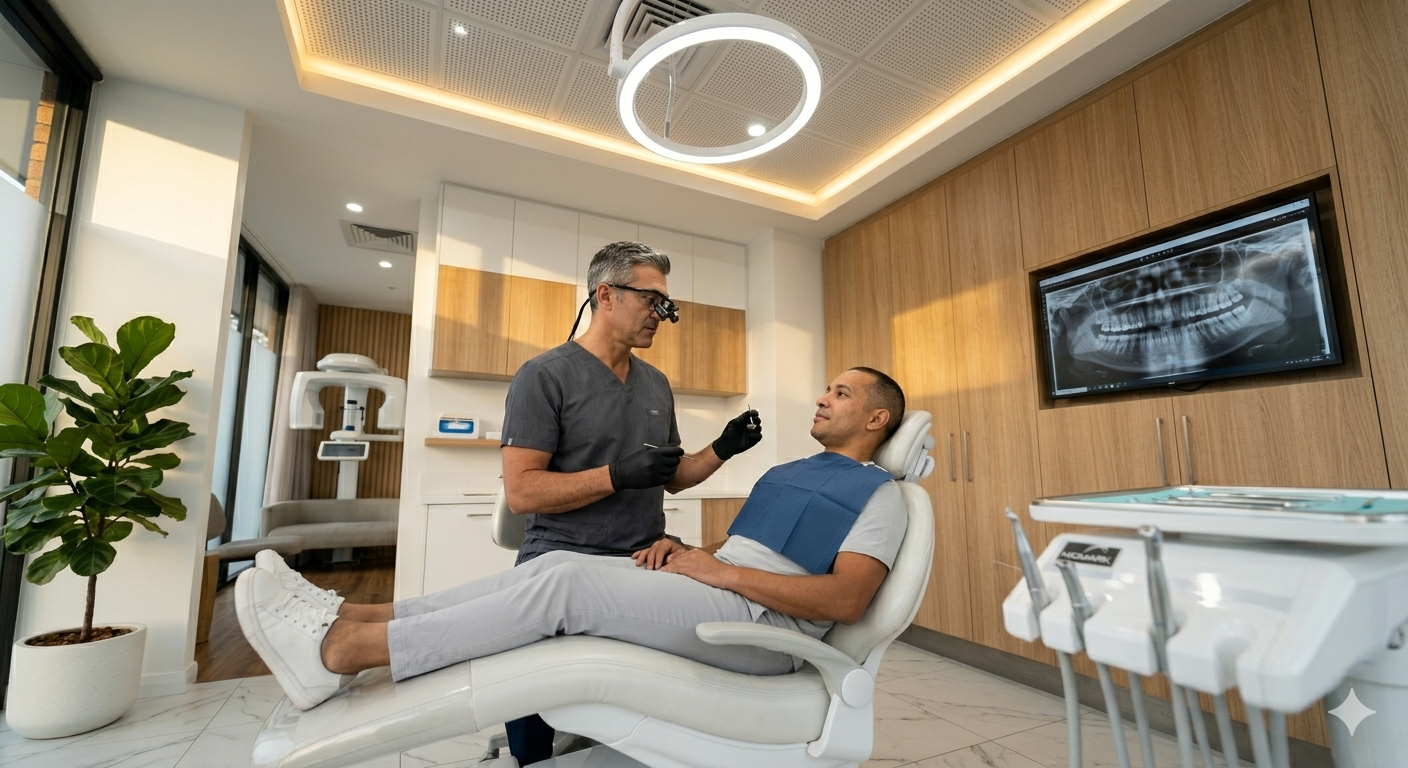
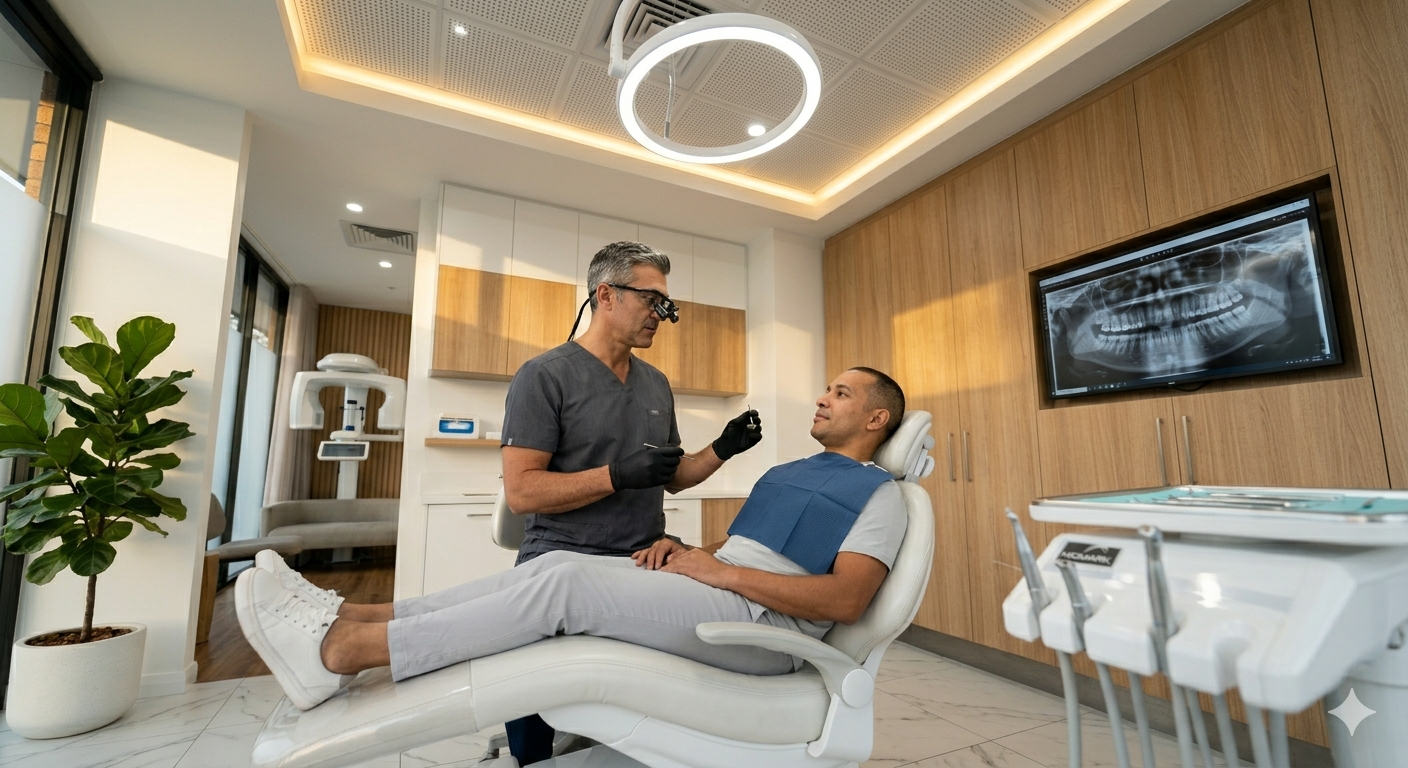
Emergency Dentist Chesaning MI Guide to Fast, Gentle Dental Care When You Need It Most

When dental pain strikes unexpectedly, finding an emergency dentist in Chesaning, MI can make all the difference in relief and quick care. An emergency dentist in Chesaning is ready to handle urgent dental issues like severe toothaches, broken teeth, or infections promptly, helping patients avoid further complications.

Whether it’s a sudden injury or worsening pain, knowing where to turn gives peace of mind. These local dental professionals focus on patient comfort and use modern treatments to address emergencies efficiently.

People often worry about whether their situation counts as an emergency or when to visit. Understanding the signs and having access to trusted emergency care in Chesaning means they can get the help needed without delay.

Common Dental Emergencies and What to Do

Dental emergencies can be alarming and painful. Knowing the right immediate steps can reduce damage and discomfort before reaching an emergency dentist.

Severe Toothaches

A severe toothache often indicates an infection or decay that needs prompt attention. The first step is to rinse the mouth with warm water to clean the area.

Avoid placing aspirin or other painkillers directly on the gums, as this can cause burns. Using dental floss gently can dislodge any trapped food causing irritation.

Applying a cold compress to the cheek can help reduce swelling and pain. If the pain persists for more than a day or is accompanied by fever, seeing an emergency dentist in Chesaning is critical. They will often perform X-rays to diagnose and treat the issue quickly.

Knocked-Out or Broken Teeth

When a tooth is knocked out, quick action is vital to save it. Pick up the tooth by the crown, not the root, to avoid damaging cells needed for reattachment.

Rinse the tooth gently with water—do not scrub. If possible, try to place the tooth back in its socket, holding it steady until dental care is available. If reinserting isn’t possible, store the tooth in milk or a tooth preservation solution to keep it moist.

For broken teeth, rinse the mouth with warm water and apply a cold compress to limit swelling. Avoid biting down on broken pieces. Emergency dentists can often repair or restore damaged teeth if treated quickly.

Swelling and Infections

Swelling around the mouth, face, or jaw often signals a dental infection. This requires prompt professional care as infections can spread and become serious.

Rinsing with warm saltwater can ease discomfort. Over-the-counter pain relievers may help, but avoid applying any medication directly to the swollen area.

If swelling impairs breathing or swallowing, this is a medical emergency and should be addressed immediately. Otherwise, scheduling an emergency dental visit in Chesaning will ensure proper antibiotics and treatment to stop the infection from worsening.

How an Emergency Dentist Can Help

An emergency dentist provides targeted care to address urgent dental issues quickly and effectively. Their focus is on relieving pain fast and repairing damage to restore oral health.

Same-Day Pain Relief

Pain from a dental emergency can be intense and disruptive. Emergency dentists in Chesaning, MI, prioritize alleviating this discomfort immediately. They use effective local anesthetics and analgesics to numb the affected area, allowing patients to feel relief within minutes of treatment.

For infections causing swelling and pain, they may prescribe antibiotics alongside pain medication to reduce inflammation. This approach helps control symptoms promptly while planning further care. Procedures like draining abscesses or stabilizing loose teeth also contribute to swift pain reduction.

Emergency dentists recognize that pain can cause anxiety, so they create a calm environment and communicate clearly about what to expect during treatment.

Restoring Damaged Teeth

Emergency dentists handle various types of tooth damage, from chips and cracks to complete knocks-outs. Their goal is to prevent further harm and restore function and appearance as soon as possible.

For chipped or cracked teeth, they might use bonding agents or dental crowns to reinforce and protect the tooth. Teeth that have been knocked out can sometimes be re-implanted, but time is critical—patients should seek care immediately.

If damage is severe, emergency dentists discuss options like root canals or extractions followed by replacements, such as implants or bridges. Treatment plans are tailored to the situation to preserve natural teeth when possible.

Patients can expect gentle care focused on comfort and preserving their smile.

Steps to Take Before Your Emergency Appointment

Preparing for an emergency dental visit can reduce discomfort and make treatment smoother. Simple actions at home can manage pain and protect your teeth while you wait to see the dentist.

Managing Pain at Home

If pain strikes, an over-the-counter pain reliever like ibuprofen can help reduce inflammation and ease discomfort. Follow the dosage instructions carefully and avoid aspirin if possible, as it can thin your blood.

Applying a cold compress to the outside of your cheek can numb the area and limit swelling. Use it for 15 minutes at a time with breaks in between.

Avoid very hot or cold foods and drinks, as they might trigger sensitivity. Also, stay away from hard, crunchy, or sticky foods that could worsen the injury.

Protecting Your Teeth Until Treatment

If a tooth is chipped or knocked loose, keep the area clean by gently rinsing with warm salt water. Do not use harsh mouthwashes or scrub the injured spot.

For a knocked-out tooth, try to place it back in the socket if possible. If not, keep it moist by storing it in milk or a tooth preservation kit. Avoid touching the root.

A loose crown or filling should be covered with dental wax or sugarless gum to prevent sharp edges from cutting your mouth. Avoid pulling or forcing it.

What to Expect During Your Visit

When patients arrive at an emergency dental office in Chesaning, they receive quick attention tailored to their immediate needs. The process focuses on identifying the problem accurately and providing pain relief while considering comfort throughout the visit.

Immediate Assessment and Diagnosis

Upon arrival, the dental team first gathers information about the patient’s symptoms and any recent dental history. This initial intake helps prioritize cases based on severity and urgency.

Next, the dentist performs a focused examination, which may include X-rays to pinpoint issues such as fractures, abscesses, or infections. This step ensures the cause of pain or injury is clearly understood before treatment begins.

Communication is key during this phase. The dentist explains the findings and discusses options, allowing patients to feel informed and involved in their care decisions.

Comfort-Focused Treatment Options

Emergency dentists in Chesaning prioritize methods that relieve pain quickly and gently. Local anesthesia or sedation options help manage discomfort during procedures like tooth extractions or temporary fillings.

They often use minimally invasive techniques to stabilize the problem first, such as placing a protective crown or draining an abscess. This approach allows for thorough healing and follow-up care.

Patients can also expect advice on at-home pain management and oral hygiene to support recovery. The team encourages questions to make sure patients feel supported and clear on next steps.

Modern Technologies for Emergency Dental Care

Emergency dentists in Chesaning, MI use modern technology to quickly diagnose and treat urgent dental issues. One key tool is digital X-rays, which provide clear images in seconds with less radiation than older methods. This speed helps dentists pinpoint problems like fractures or infections faster.

Another important technology is intraoral cameras. These small devices capture detailed images inside the mouth, helping the dentist explain the issue in a way patients can easily understand. It makes the treatment process feel more transparent and less intimidating.

For treatment, many offices use laser dentistry to reduce pain and speed healing. Lasers can treat soft tissue injuries efficiently, meaning less discomfort for patients during emergencies like gum cuts or abscess drainage.

The use of 3D imaging and printing is growing. This tech allows dentists to create precise dental crowns or splints on-site, often the same day, which is especially helpful in emergencies requiring quick restoration.

These technologies combined aim to provide a more comfortable, faster, and accurate dental emergency experience. If a dental emergency happens, seeking care from a dentist who uses these tools can make the process smoother and less stressful.

Preventing Dental Emergencies in Everyday Life

Taking steps to protect teeth daily helps avoid unexpected problems that require urgent care. Building strong habits and using the right protective gear during activities are key ways to keep your smile safe.

Establishing Healthy Oral Habits

Consistent oral hygiene is the foundation of preventing emergencies. Brushing twice a day with fluoride toothpaste removes plaque that can lead to decay and infection.

Flossing daily clears food particles stuck between teeth, reducing the risk of gum disease. It’s important to replace your toothbrush every three months or after illness to maintain effective cleaning.

Avoid chewing on hard objects like ice, pens, or popcorn kernels, which can crack or chip teeth. Limiting sugary snacks and drinks helps prevent cavities by reducing acid production in the mouth.

Regular dental checkups allow early detection of issues before they become emergencies. Dentists can provide tailored advice and treatments to reinforce your oral health.

Protective Gear for Sports and Activities

Wearing a properly fitted mouthguard during sports reduces the chance of broken teeth or jaw injuries. Custom-made guards from a dentist offer better protection than store-bought options.

Helmets and face shields are essential in contact sports such as football, hockey, and martial arts. They help absorb impact and protect both teeth and facial bones.

For children involved in recreational activities, teaching them to wear mouthguards consistently builds safe habits. Parents can consult a dentist about the best protective gear suited for their child’s sports level.

Even non-contact activities like skateboarding or cycling benefit from helmets to prevent mouth trauma from falls. Investing in protective equipment reduces emergency visits and supports lasting dental health.

Finding the Right Dental Practice in Chesaning

When looking for an emergency dentist in Chesaning, it’s important to find a practice that offers prompt and reliable care. Patients should prioritize dental offices that provide same-day or next-day appointments to handle urgent issues quickly.

Comfort and trust matter a lot during emergencies. Practices that emphasize a warm, gentle approach help ease any dental anxiety. Many dentists in Chesaning use modern technology, like digital X-rays and pain management techniques, to make treatment smoother and less stressful.

Checking the services offered is also key. An ideal emergency dentist can handle a range of problems—from toothaches and broken teeth to infections. It’s helpful to review office hours, insurance policies, and patient testimonials before making a decision.

What to look forWhy it matters
AvailabilityQuick response in urgent situations
Patient comfortReduces fear and anxiety
Modern equipmentEnsures accurate diagnosis and care
Range of servicesCovers various dental emergencies
Positive reviewsIndicates trustworthy service

Choosing a dental practice that meets these criteria ensures patients get the care they need without added stress. It’s always a good idea to keep a local emergency dentist’s contact handy for peace of mind. If questions come up, reaching out for a brief consultation can help clarify what to expect.

Your Next Steps: Peace of Mind Starts Here

When a dental emergency strikes in Chesaning, MI, knowing what to do next can ease a lot of stress. The first move is to stay calm and assess the situation carefully. If it’s severe pain, bleeding, or a knocked-out tooth, prompt action is key.

Contacting an emergency dentist right away ensures swift care. Many local clinics offer same-day appointments and flexible hours to fit urgent needs. It’s important to have their contact info saved in advance—this simple step can make all the difference.

Here’s a quick checklist to follow after an emergency occurs:

  • Call your emergency dentist immediately
  • Describe your symptoms clearly
  • Follow any first aid instructions they provide
  • Keep any broken tooth pieces, if applicable

Comfort and safe treatment are top priorities at Chesaning emergency dental offices. They use modern techniques to relieve pain quickly and preserve your smile. Your dentist will listen to your concerns and explain every step to help you feel at ease.

Encourage patients to reach out as soon as discomfort or injury happens. Early visits not only resolve pain faster but can prevent complications later. This proactive approach helps maintain long-term dental health with confidence and care.

Frequently Asked Questions

Dental emergencies can happen suddenly and knowing what to do can make a big difference. Quick actions to manage pain, protect damaged teeth, and reduce swelling are key steps before seeing a dentist.

What counts as a true dental emergency, and when should I seek care right away?

A true dental emergency includes severe pain, uncontrollable bleeding, knocked-out teeth, significant swelling, or injury to the mouth or jaw. If a tooth is knocked out or bleeding won’t stop within 15 minutes, immediate dental care is necessary.

What should I do if I have a severe toothache that won’t let me sleep?

Rinse your mouth gently with warm salt water to clean the area. Over-the-counter pain relievers can help reduce discomfort until a dentist can evaluate the cause.

How can I protect a knocked-out tooth and improve the chances of saving it?

Hold the tooth by the crown, not the root, and rinse it with water if dirty. If possible, place it back in the socket or keep it submerged in milk or saliva and see a dentist immediately.

What’s the safest way to handle a chipped or broken tooth until I’m seen?

Rinse the mouth with warm water and use dental wax or sugarless gum to cover sharp edges to avoid cutting your tongue or cheek. Avoid chewing on that side of the mouth.

How do dentists treat a painful tooth infection, and will it require a root canal or an extraction?

Treatment often starts with antibiotics to control infection. Depending on severity, dentists may perform a root canal to save the tooth or extract it if damage is too extensive.

How can I manage pain and swelling at home while I’m waiting for an appointment?

Apply a cold compress on your cheek near the swollen area in 15-minute intervals. Taking anti-inflammatory medications like ibuprofen, unless contraindicated, can also relieve discomfort.

1775139106140 32516852 Gemini Generated Image Qi5d75qi5d75qi5d

Affordable Dental Implants Chesaning MI: Your Friendly Guide to Comfortable and Affordable Tooth Replacement

Finding affordable dental implants in Chesaning, MI, doesn’t have to be a challenge. Many local dental practices offer quality implant options that balance cost with excellent care, making it possible to restore your smile without breaking the bank. Patients often worry about the price, but understanding the range of options can help them make confident decisions.

Dental implants are a long-term solution for missing teeth, improving both function and appearance. Clinics in Chesaning focus on patient comfort and use modern techniques to keep treatment efficient and accessible. Knowing what to expect can ease concerns and open the door to better dental health.

If someone is considering implants, the key is to find a provider who explains the process clearly and offers personalized care. Asking the right questions about pricing and treatment plans makes a big difference in finding the best fit.

Understanding Dental Implants

Blog image

Dental implants are designed to replace missing teeth and restore oral function effectively. They involve a few key components and types tailored to individual needs. Implants also offer significant advantages that support lasting oral health and comfort.

How Dental Implants Work

Dental implants act as artificial roots made from titanium, a material well-accepted by the body. A dentist surgically places the implant into the jawbone, where it fuses naturally through a process called osseointegration. This stable foundation supports a crown, bridge, or denture.

Once healed, implants provide strong support for chewing and speaking, mimicking natural teeth in both function and appearance. The procedure usually involves several steps over a few months, allowing the bone to grow around the implant for maximum strength.

Types of Dental Implants

The most common type is the endosteal implant, which fits directly into the jawbone. These implants come in shapes like screws, cylinders, or blades, with screws being most popular. They suit patients with healthy jawbone density.

Subperiosteal implants sit on top of the jawbone but beneath the gum and are less common, usually reserved for those with insufficient bone height. There are also mini implants—smaller and less invasive—often used for stabilizing dentures.

Choosing the right implant depends on bone health, the number of missing teeth, and personal preferences for treatment duration and cost.

Benefits for Long-Term Oral Health

Dental implants help preserve jawbone density, reducing the bone loss that often follows tooth loss. Unlike traditional bridges, implants don’t rely on adjacent teeth, so they avoid unnecessary damage.

They also improve oral hygiene because they’re easier to clean than dentures and don’t require adhesives. Implants restore bite strength, which supports better nutrition and clearer speech.

Patients often find implants to be a durable, long-lasting solution, reducing the need for frequent dental work. They promote confidence and overall mouth health by maintaining proper tooth alignment and facial structure.

Cost Considerations in Chesaning

When looking at dental implants in Chesaning, prices can vary based on several specifics. Understanding what influences cost and how payment options work is key to making an informed decision.

Factors That Affect Pricing

Dental implant prices depend on multiple factors like the type of implant, the number needed, and the complexity of the procedure. For instance, a single implant typically costs less than a full-mouth restoration.

Additional procedures, such as bone grafting or sinus lifts, can raise the total. The choice of materials, including titanium posts or ceramic crowns, also impacts the cost. Local labor and facility fees in Chesaning influence pricing as well.

Patient health, including jawbone density, can require extra treatments, which adds to expenses. Transparent consultation helps patients understand their personalized cost before starting.

Comparing Local Options

Chesaning offers several dental practices that provide implants with varying price points. Comparing them involves looking beyond just the sticker price.

Consider factors like experience, technology used, and aftercare services. A practice with advanced imaging tools, for example, may charge more but offer faster, more accurate treatment.

Reading reviews and asking for detailed quotes helps patients weigh cost against value. Some clinics may offer bundled pricing for implants and restorations, which can be more affordable.

Understanding Payment Plans

Many dental offices in Chesaning offer payment plans to ease upfront costs. These typically break down the total into monthly installments.

Plans vary, with some offering interest-free periods or low-interest financing. It’s important to check for any hidden fees or strict qualification criteria.

Insurance, if applicable, might cover part of the implant procedure. Patients should inquire about coverage and combine it with payment plans for manageable budgeting.

Asking the dental office about financing options helps patients plan treatment without financial stress.

Affordable Alternatives and Specials

Finding affordable options for dental implants in Chesaning, MI, often means looking beyond standard pricing. Many local practices offer ways to reduce costs through specific programs and partnerships designed to ease financial concerns.

Discount Programs and Seasonal Offers

Dental clinics in Chesaning often provide discount programs tailored for new patients, seniors, or families. Some offices offer a percentage off the total implant procedure or waive consultation fees. Seasonal promotions, especially in slower months, can include discounted implant pricing or bundled treatment packages, such as implants with follow-up cleanings at reduced rates.

Patients should ask about payment plans with low or no interest, which allow spreading costs over time. These plans make implants easier to afford without compromising care quality. Being proactive about checking for specials can save hundreds or even thousands.

Community Resources and Support

Chesaning residents can also explore community health programs or nonprofit organizations offering assistance for dental implant needs. Some local health clinics collaborate with dental schools or volunteer dentists who provide reduced fees on implant surgeries.

Additionally, healthcare credit cards like CareCredit are widely accepted and help bridge payment gaps. Checking nearby dental societies or local health departments might uncover grants or temporary financial aid available for qualifying patients. These resources can make implants more attainable for those on tighter budgets.

The Dental Implant Process

Getting dental implants involves several key stages that ensure a strong, natural-feeling replacement tooth. The process requires careful planning, precise surgery, and mindful healing to achieve the best results.

Initial Consultation and Planning

At the first appointment, the dentist evaluates oral health with a thorough exam and X-rays or 3D scans. This helps assess bone density and the jaw’s overall condition, which are crucial for implant success.

The dentist discusses medical history, expectations, and budget. They might recommend treatments like bone grafting if the jawbone lacks sufficient support. Together, they create a personalized treatment plan outlining the timeline and costs. Patients often appreciate understanding each step before moving forward.

Surgical Procedure Overview

The surgery begins with numbing the area to ensure patient comfort. The dentist then places the titanium implant post into the jawbone, acting as a root substitute.

Once positioned, the implant is covered and allowed to integrate with the bone over several months—a process called osseointegration. In some cases, a temporary crown or bridge may be attached during healing for aesthetics. The surgery is generally straightforward, with minimal discomfort controlled by prescribed pain relief and care instructions.

Healing and Aftercare

Healing takes about 3 to 6 months, during which the bone fuses to the implant for stable support. During this time, patients should follow specific guidelines: avoid hard foods, practice good oral hygiene, and attend follow-up visits.

Once healing is complete, an abutment is placed on the implant to connect the permanent crown. Ongoing maintenance involves regular dental cleanings and daily brushing to protect the implant and surrounding gums. Proper care helps the implant last for many years, restoring confident, comfortable smiles.

Choosing the Right Dental Team

Finding a dental team that matches your needs involves more than just technical skill. Comfort, clear communication, and transparency about treatment options play a big role in a successful dental implant experience.

Qualities of a Caring Dental Provider

A caring dental provider listens to your concerns and explains procedures in simple language. They prioritize patient comfort through gentle techniques and pain management options.

Trustworthy dentists keep up with the latest implant technology, ensuring treatment is both effective and affordable. They should offer personalized care plans that fit your budget and oral health needs. Friendly staff who create a welcoming atmosphere can ease any dental anxiety you might feel.

Look for teams that encourage questions and take time to assess your full dental history before recommending implants.

Questions to Ask Your Dentist

Before committing to implants, ask about the dentist’s experience with dental implant procedures. How many implants have they placed, and what success rates do they report?

Inquire about the materials used, potential risks, recovery time, and follow-up care. A transparent provider will offer cost estimates upfront, along with financing or payment plan options.

Clarify what makes their practice different from others in Chesaning, MI, especially regarding patient comfort and technology. Don’t hesitate to ask about alternatives to implants if you’re unsure.

These questions help you feel confident and informed throughout your treatment journey.

Maintaining Your New Smile

Keeping dental implants healthy requires consistent care and attention. Proper habits and regular visits to the dentist help protect the investment made in your smile, ensuring it lasts for years.

Daily Care Tips

Dental implants need the same dedication as natural teeth to stay clean and free from plaque. Brushing twice a day with a soft-bristle toothbrush and non-abrasive toothpaste removes buildup without damaging the implant surfaces.

Flossing around implants is essential to clear food debris and prevent gum irritation. Using special implant-friendly floss or interdental brushes can make this easier and more effective. Avoid hard or sticky foods in the first weeks to allow healing.

Drinking plenty of water and avoiding tobacco products supports gum health, which is crucial around implants. Maintaining a balanced diet with limited sugary snacks also helps prevent gum disease that could affect implant stability.

Routine Check-Ups

Regular dental visits are vital to monitor the implants and surrounding tissues. Dentists check for signs of inflammation, plaque accumulation, or any mechanical problems with the implant components.

Typically, dental implant patients should see their dentist every six months, though some may benefit from more frequent cleanings. During these visits, professionals use special tools to clean around implants gently without scratching their surfaces.

X-rays might be taken periodically to assess bone integration and detect any issues early. Addressing concerns promptly prevents complications and keeps implants functioning properly over time.

Restoring Confidence and Quality of Life

Dental implants in Chesaning, MI, offer more than just a new smile—they help people feel whole again. Missing teeth can affect how someone speaks, eats, and interacts with others. Implants provide a stable, natural-looking solution that supports daily functions comfortably.

Patients often notice an immediate boost in self-esteem once their implants are in place. They no longer need to hide their smiles or avoid social situations. This renewed confidence can improve personal relationships and overall well-being.

Besides appearance, implants help maintain oral health. Unlike dentures, implants prevent bone loss by stimulating the jawbone. This keeps the face’s shape intact and reduces the risk of future dental problems.

Key benefits for patients include:

  • Improved chewing and speaking abilities
  • Long-lasting durability
  • Easy maintenance similar to natural teeth
  • Enhanced comfort without slipping or irritation

For many, the journey to implant treatment begins with a simple consultation. Discussing options and concerns helps make affordable dental implants in Chesaning a realistic choice. It’s a step toward a healthier mouth and a brighter, more confident smile.

Next Steps to a Healthier Smile

Choosing affordable dental implants in Chesaning, MI, is the beginning of a positive change. The first step is scheduling a consultation with a trusted local dentist. This visit lets them evaluate the patient’s oral health and discuss personalized treatment options.

During the appointment, the dentist will explain the implant procedure clearly. They will review factors like bone health, medical history, and budget to create a comfortable plan. Patients can ask questions about recovery, costs, and any concerns they may have.

After the consultation, patients usually follow these steps:

  • Preparation: Any necessary tooth extractions or bone grafts are done first.
  • Implant placement: The implant post is inserted into the jawbone.
  • Healing: A few months allow the implant to bond securely with the bone.
  • Restoration: A crown or bridge is attached to complete the smile.

Maintaining good oral hygiene during this process is crucial. Brushing, flossing, and regular check-ups help ensure long-term success. The dentist may also recommend specific products to support healing.

Encouraging patients to take the next step with confidence is key. Consulting a local expert makes dental implants more approachable and affordable. It’s a practical chance to improve both function and appearance — one comfortable visit at a time.

Frequently Asked Questions

Understanding the cost, comfort, and timeline of dental implants helps patients feel confident about their choices. Knowing about payment options and candidacy criteria makes the process smoother and less stressful.

What factors affect the overall cost of dental implants, and how can I budget for them?

The cost depends on the number of implants needed, the type of implant, and any additional treatments like bone grafts. Location and the dentist’s experience also influence pricing. Budgeting should include consultation fees, surgery, and the crown placement.

Are there payment plans or financing options that can make implants easier to afford?

Many dental offices offer monthly payment plans or partner with financing companies. These options break up the total cost into smaller, manageable payments without waiting to save the full amount. It’s wise to ask your dentist about available financing.

How do dental implants compare to dentures or bridges in comfort and long-term value?

Implants feel more like natural teeth and don’t slip or cause gum irritation. They preserve jawbone health better than dentures or bridges. Despite higher upfront costs, implants typically last longer, requiring less maintenance.

What does the implant process look like from consultation to final crown, and how long does it usually take?

After an initial exam, the implant post is surgically placed into the jawbone. Healing and bone integration take three to six months before the crown is attached. The total time varies depending on individual healing and any preparatory procedures.

Will getting an implant hurt, and what can I expect for anesthesia and comfort during recovery?

Local anesthesia numbs the area, so patients feel little to no pain during surgery. Some may experience mild swelling or discomfort afterward, manageable with over-the-counter pain relievers. The dentist will provide specific aftercare instructions to ensure comfort.

How do I know if I’m a good candidate for implants if I’ve had missing teeth for a while or bone loss?

A dental exam and imaging assess bone density and gum health. If bone loss is significant, bone grafting can restore support for implants. Overall health and oral hygiene also affect candidacy, so patients should discuss their medical history openly with their dentist.

1775138996586 2e765f28 Gemini Generated Image 95xp9v95xp9v95xp

Cosmetic Dentistry Options Chesaning MI To Enhance Your Smile Comfortably

Cosmetic dentistry in Chesaning, MI offers a variety of effective treatments designed to enhance smiles with comfort and care. From teeth whitening to veneers and bonding, local dental professionals provide options tailored to fit individual needs and preferences. Many people find these treatments offer a reliable way to boost confidence and maintain oral health.

These services use modern techniques to improve the appearance of teeth while prioritizing patient comfort. Whether someone wants to fix discoloration, close gaps, or reshape teeth, there are solutions available that work gently and efficiently. Understanding the choices can help patients feel more at ease when discussing goals with their dentist.

Exploring cosmetic dentistry options nearby is a good first step toward a brighter, healthier smile. A consultation can clarify which treatments best match a person’s dental condition and lifestyle. Encouraging patients to ask questions and share concerns leads to the best results.

What Is Cosmetic Dentistry?

Blog image

Cosmetic dentistry focuses on improving the appearance of teeth, gums, and smiles. It goes beyond basic dental care by enhancing how your teeth look, making smiles brighter, straighter, and more uniform.

Many people choose cosmetic treatments for issues like discoloration, chips, gaps, or misshapen teeth. Common procedures include teeth whitening, veneers, bonding, and Invisalign. Each option addresses specific concerns while maintaining oral health.

Here’s a quick look at key treatments:

ProcedurePurposeBenefits
Teeth WhiteningLightens tooth colorNon-invasive, quick
VeneersCovers front teeth imperfectionsLong-lasting, natural look
Dental BondingRepairs chips or gapsAffordable, minimal prep
InvisalignStraightens teeth with clear alignersComfortable, discreet

Cosmetic dentistry also considers patient comfort and long-term results. Dentists focus on personalized care, ensuring treatments fit your lifestyle and oral health needs.

Encouraging regular check-ups supports dental health alongside cosmetic goals. A simple conversation with a local Chesaning dental expert can guide you toward the best options.

If improving your smile feels right, discussing cosmetic dentistry with a trusted dentist is a positive next step.

Popular Cosmetic Dentistry Options in Chesaning, MI

Many patients in Chesaning seek treatments that brighten smiles, fix minor imperfections, or improve the overall appearance of their teeth. Options vary in terms of procedure time, cost, and durability, allowing individuals to find the right fit for their needs.

Teeth Whitening Treatments

Teeth whitening is one of the most requested cosmetic procedures in Chesaning. It effectively removes stains caused by coffee, tobacco, or aging, giving teeth a visibly brighter look. Whitening treatments here often use professional-grade gels applied either in-office or through custom take-home kits.

In-office whitening usually takes about an hour and provides quick, noticeable results. Take-home kits involve wearing whitening trays for a specified time daily over several weeks. Both methods are safe under professional supervision but may cause temporary sensitivity for some patients.

Porcelain Veneers

Porcelain veneers are thin shells bonded to the front of teeth to improve shape, color, and alignment. They are a popular choice for those wanting a natural-looking enhancement that lasts several years. Veneers are stain-resistant and require minimal maintenance beyond regular oral hygiene.

The process typically involves two visits: one to prepare the teeth and take impressions, the other to place the custom-made veneers. This option works well to cover chips, gaps, or discoloration that whitening alone cannot fix.

Dental Bonding

Dental bonding uses tooth-colored resin to repair minor chips, cracks, or gaps. It is a quicker and more affordable option compared to veneers or crowns. The resin is sculpted directly on the tooth and hardened with a special light.

Bonding procedures usually take 30 to 60 minutes per tooth and often do not require anesthesia. Although not as durable as porcelain, bonding can last several years with proper care and can be easily touched up if needed.

Smile Makeover Planning

A successful smile makeover begins with understanding the patient’s unique dental concerns and goals. Customized planning ensures treatments fit both the individual’s lifestyle and oral health needs, making the transformation effective and long-lasting.

Personalized Consultations

The initial consultation is key to crafting a smile makeover that feels right for each patient. It starts with a thorough dental exam, including X-rays and photos, to evaluate tooth health, gum condition, and bite alignment.

The dentist asks about lifestyle habits, smile expectations, and any specific concerns like discoloration, gaps, or chipped teeth. This conversation helps identify appropriate cosmetic options and prioritize treatments that improve both function and appearance.

Comfort is emphasized throughout the consultation. Patients are encouraged to ask questions and share their preferences, ensuring the plan matches their vision and comfort level. This personalized approach builds trust and confidence before any dental work begins.

Choosing the Right Treatments

Selecting treatments depends on the consultation’s findings and the patient’s goals. Common options include teeth whitening, veneers, bonding, crowns, and orthodontics. Each addresses different issues—whitening targets stains, while veneers can reshape or cover imperfections.

The dentist recommends treatments that balance immediate results with long-term oral health. For example, porcelain veneers offer durability and natural appearance but require enamel removal, whereas bonding is less invasive but may not last as long.

A treatment plan often combines multiple procedures to create a harmonious smile. Budget, timeline, and patient preference guide choices, with clear explanations of benefits and limitations for each. This clarity helps patients make informed decisions with confidence.

Advanced Techniques and Modern Materials

Chesaning dentists use state-of-the-art tools and materials to make cosmetic dentistry more effective and comfortable. These advances help preserve natural teeth and offer a preview of the final smile before any treatment starts.

Minimally Invasive Procedures

Minimally invasive techniques focus on preserving as much of the natural tooth structure as possible. Treatments like dental bonding and porcelain veneers require little to no drilling, reducing discomfort and recovery time. These procedures often use strong, tooth-colored materials that blend seamlessly with your smile.

Laser dentistry is another tool that can replace traditional drills for some treatments. It minimizes pain and swelling by targeting only the affected areas. Patients often report less anxiety and faster healing when these gentle methods are used.

Minimally invasive dentistry also supports long-term oral health by avoiding unnecessary removal of enamel or dentin. This approach is especially beneficial for patients who want cosmetic improvements without extensive dental work.

Digital Imaging for Smile Design

Digital imaging technology allows dentists to create a detailed, customized plan tailored to each patient’s unique smile. Using advanced software, they can simulate how teeth will look after procedures like whitening, reshaping, or implants.

This “smile preview” helps patients visualize results beforehand and make informed decisions. It also improves communication between patient and dentist, ensuring expectations are aligned.

High-resolution 3D scans replace traditional molds, providing more precise measurements. This accuracy enhances the fit and comfort of restorations like crowns or aligners. Digital tools save time and reduce the need for multiple adjustments during treatment.

Restorative Options with Cosmetic Benefits

Restorative treatments in Chesaning, MI, not only fix damaged teeth but also enhance their appearance. These options blend function and aesthetics, making smiles healthier and more attractive.

Tooth-Colored Fillings

Tooth-colored fillings use composite resin to repair cavities or small chips. This material matches the natural color of teeth, unlike traditional metal fillings, which can be noticeable.

The resin bonds directly to the tooth, providing a strong seal and preserving more of the healthy tooth structure. This helps maintain the tooth’s shape and strength while looking natural.

These fillings are versatile and can be used on front and back teeth. They resist staining and can be polished to match the tooth’s smooth, shiny surface.

Natural-Looking Crowns

Crowns cover damaged or weakened teeth, restoring their strength and appearance. In Chesaning, dentists often use porcelain or ceramic crowns that mimic natural tooth enamel.

These crowns are custom-made for each patient, ensuring a precise fit and color match. They cover the entire tooth, protecting it while blending seamlessly with surrounding teeth.

Modern crowns also feel comfortable and look lifelike under different lighting. They are durable, making them a reliable choice for both function and aesthetics.

Orthodontic Solutions for a Straighter Smile

Many people seek orthodontic treatments that fit comfortably into their daily lives while effectively improving their smile. Options now emphasize discreet, convenient methods tailored to the unique needs of each patient.

Clear Aligners

Clear aligners offer a modern alternative to traditional braces. They consist of custom-made, transparent trays that gradually shift teeth into position without bulky metal parts.

These aligners are removable, which means patients can eat, brush, and floss normally. Treatment typically involves wearing each set for about two weeks before moving to the next in the series.

In Chesaning, MI, local dentists often recommend clear aligners for adults and teens wanting a subtle, low-profile treatment. They are nearly invisible and cause less irritation to gums and cheeks compared to metal braces. Regular check-ups track progress and ensure the teeth move as planned.

Subtle Braces Options

For patients who need more control over tooth movement, subtle braces offer a balance between effectiveness and appearance. These include ceramic braces and lingual braces.

  • Ceramic Braces: Made from tooth-colored or clear materials, ceramic braces blend in with natural teeth. They are less noticeable but work similarly to traditional metal braces.

  • Lingual Braces: Attached behind the teeth, lingual braces stay completely out of sight. They can be customized but may require some time to adjust in terms of speech and comfort.

Both options are chosen based on the complexity of the orthodontic issue and patient preferences. Local dental professionals in Chesaning guide patients toward the best fit, focusing on successful results with minimal disruption to lifestyle.

Benefits of Cosmetic Dentistry for Chesaning Patients

Cosmetic dentistry in Chesaning offers practical improvements that go beyond just appearances. It enhances self-esteem and supports healthier teeth and gums with targeted treatments.

Boosting Confidence

Patients often find that cosmetic dentistry greatly improves their smile’s appearance, which leads to increased confidence. Procedures like teeth whitening, veneers, and bonding correct common issues such as discoloration, chips, or gaps, making smiles look natural and bright.

This boost in confidence can influence daily life—from feeling more comfortable at work, social events, or even in photos. When patients smile freely without worrying about dental imperfections, it can improve overall mood and social interactions. The personalized approach taken by Chesaning dentists ensures that results match individual facial features, preserving a natural look rather than an artificial smile.

Supporting Oral Health

Cosmetic dentistry isn’t only about looks; many treatments promote better oral health. For example, fixing cracked or misaligned teeth can reduce the risk of decay and gum disease by making cleaning easier and more effective.

Dental crowns and implants restore damaged teeth, preventing further wear or infection. Patients in Chesaning who receive professional care often notice fewer issues like sensitivity or discomfort after cosmetic procedures. These treatments also encourage patients to maintain good oral hygiene, knowing their improved smile depends on regular care.

Key benefits include:

ProcedureHealth Benefit
VeneersProtect from chips and stains
CrownsRestore strength and function
AlignersImprove bite, reduce wear
WhiteningRemoves surface stains, boosts appearance

This combination of cosmetic and health benefits makes cosmetic dentistry a valuable investment for Chesaning patients looking to enhance both smile and dental wellness.

Finding the Right Cosmetic Dentist in Chesaning, MI

Choosing the right cosmetic dentist in Chesaning starts with understanding what matters most: comfort, trust, and expertise. Patients should look for a dentist who listens carefully and explains procedures in clear, simple terms.

It’s helpful to check qualifications and experience. Many dentists list their certifications and specialties on their websites. Reviews and testimonials from local patients also offer insight into the quality of care and results.

A good cosmetic dentist uses modern technology to improve outcomes and comfort. Treatments like teeth whitening, veneers, or bonding should feel smooth and tailored to individual needs.

Here’s a quick checklist to consider when choosing:

FactorWhat to Look For
ExperienceYears in cosmetic dentistry
TechnologyUse of digital imaging or lasers
Patient ReviewsPositive testimonials and ratings
Comfort & CareFriendly staff and gentle approach

Scheduling a consultation allows patients to meet the dentist and discuss options personally. This visit helps build confidence and sets clear, realistic expectations.

Encouraging questions about procedures and aftercare shows the dentist’s dedication to patient comfort and education. A trusted dentist in Chesaning always aims to make the experience as easy and positive as possible.

Taking the Next Step Toward Your Ideal Smile

Choosing cosmetic dentistry in Chesaning, MI, means taking an important step toward improving not just your smile but your confidence. The process begins with a simple consultation, where a dental professional listens to your goals and reviews your oral health.

During this visit, the dentist will discuss options that fit your needs and lifestyle. Treatments like teeth whitening, veneers, or Invisalign may be suggested. Each option is explained clearly, focusing on comfort and realistic results.

Patients often appreciate knowing what to expect before any procedure starts. This includes the timeline, costs, and how to care for their smile after treatment. Understanding these details helps make the experience stress-free.

Here’s a quick checklist to prepare for your consultation:

  • List your smile concerns and goals
  • Think about any dental treatments you’ve had
  • Prepare questions about the procedures and care
  • Discuss any dental anxiety or concerns openly

Taking that first step shows commitment to self-care. With modern techniques and a caring dental team, many find the journey smoother than expected. It’s always encouraged to reach out and ask questions—helping patients feel informed and comfortable at every visit.

Frequently Asked Questions

Many people want to improve their smiles but wonder which treatments suit their needs and budget. Questions often focus on costs, treatment differences, durability, and how to find a reliable local dentist for cosmetic work.

What cosmetic dental treatments can help brighten my smile if whitening isn’t enough?

If whitening doesn’t achieve the desired brightness, treatments like porcelain veneers or bonding can cover stains and discoloration. These options can change tooth shape and color for a more uniform look.

How much does cosmetic dentistry typically cost, and what affects the price?

Cosmetic dentistry costs vary widely, often ranging from a few hundred to several thousand dollars per procedure. Factors include the complexity of the treatment, materials used, and the dentist’s experience.

How much do porcelain veneers usually cost in Michigan, and are there financing options?

In Michigan, porcelain veneers can cost between $800 and $2,000 per tooth. Many dental offices offer payment plans or financing options to make veneers more affordable over time.

What’s the difference between veneers, bonding, and crowns for fixing chips or uneven teeth?

Veneers are thin shells bonded to the front of teeth for a natural look. Bonding uses resin to fill chips and reshape teeth. Crowns cover the entire tooth, offering strength for damaged teeth beyond cosmetic repair.

How long do common cosmetic treatments like whitening, bonding, and veneers last with good care?

Whitening results usually last six months to two years. Bonding can last 3 to 10 years depending on wear. Veneers often last 10 to 15 years with proper care and regular dental visits.

How do I choose a trusted local dental office for cosmetic work, and what should I ask at a consultation?

Look for a dentist with cosmetic dentistry credentials and positive patient reviews. Ask about their experience, treatment options, and see before-and-after photos. Discuss concerns about comfort, costs, and expected results.

V2 1847sy Ar44l

Dental Emergency What To Do: A Friendly Expert’s Guide To Stay Calm And Protect Your Smile

A sudden toothache, a broken crown, or a knocked-out tooth can leave anyone feeling uneasy. In those moments, knowing what steps to take can make the difference between saving and losing a tooth. During a dental emergency, acting quickly—while staying calm—protects oral health and reduces long-term damage.

A dentist gently examining a patient’s mouth in a modern dental clinic during a dental emergency.

Whether it happens during a meal, a sports game, or at night, prompt action matters. Rinsing gently, keeping the area clean, and contacting an emergency dentist right away are often the best first moves. With the right knowledge, anyone can handle an unexpected dental situation with confidence instead of panic.

Having a clear plan brings peace of mind. Understanding what qualifies as a true emergency, how to manage pain safely, and when to seek professional help helps prevent complications. A little preparation today can protect a smile tomorrow.

Key Takeaways

  • Quick, calm action helps protect teeth during a dental emergency.
  • Knowing when to seek professional care prevents further damage.
  • Simple preventive habits reduce the chance of future dental emergencies.

Recognizing a Dental Emergency

A dentist attentively examining a concerned patient in a modern dental clinic.

Dental problems can arise suddenly and cause pain, bleeding, or damage that needs timely care. Knowing how to identify an urgent situation helps a person act quickly, prevent complications, and protect their oral health until a dentist can provide treatment.

Common Signs and Symptoms

Certain symptoms signal that a dental issue requires prompt attention. Severe or persistent tooth pain, especially when it interferes with eating or sleep, often indicates infection or nerve involvement. Swelling of the gums, face, or jaw can point to an abscess or spreading infection that needs immediate evaluation.

Uncontrolled bleeding from the mouth, especially after an injury or dental procedure, is another major warning sign. Loose, broken, or knocked-out teeth also qualify as emergencies because quick action can sometimes save the tooth.

Other clues include sensitivity that suddenly worsens, visible pus around a tooth or gumline, and painful pressure when biting. A good rule of thumb: if oral discomfort feels intense, appears suddenly, or prevents normal function, professional assessment should not be delayed.

Types of Dental Emergencies

Dental emergencies come in many forms, all requiring timely care. The most common types include:

Emergency TypeDescriptionUrgency Level
Knocked-out tooth (avulsion)Entire tooth displaced from socketImmediate – within 30–60 minutes
Broken or chipped toothFracture ranging from enamel chip to deep crackSame-day evaluation
Tooth abscessPainful infection with swelling or pusImmediate
Lost filling or crownExposed tooth structure causing sensitivityUrgent but not life-threatening
Soft tissue injuryCuts to lips, mouth, or tongueUrgent if bleeding doesn’t stop

Each situation may look different, but care within hours can reduce pain and improve recovery outcomes. Even minor damage may hide deeper issues, so professional evaluation protects long-term dental health.

When to Seek Immediate Help

A person should contact a dentist or urgent care provider right away if there is intense pain, uncontrolled bleeding, or facial swelling. These symptoms often mean infection or trauma that can worsen without prompt care.

If a tooth is knocked out, handle it by the crown, not the roots, and keep it moist in milk or saliva until reaching a dentist. Quick reimplantation—ideally within an hour—offers the best chance of saving it.

Seek emergency medical attention if swelling spreads beyond the jaw or interferes with breathing. When in doubt, it’s safer to call a dental professional who can assess the situation and guide next steps with reassurance and clear instructions.

Steps to Take in a Dental Emergency

A dentist attentively examining a patient in a modern dental clinic during a dental emergency.

Quick, calm action helps protect teeth, ease pain, and prevent lasting damage when dental problems happen unexpectedly. Simple measures like stopping bleeding, preserving a dislodged tooth, and avoiding infection can make the difference between saving and losing a tooth.

Immediate Actions at Home

When pain or injury strikes, staying calm is the first step. Rinsing the mouth gently with warm water removes debris and keeps the area clean. If bleeding occurs, placing a piece of clean gauze and applying light pressure helps control it. A cold compress on the cheek can reduce swelling and discomfort.

Over-the-counter pain relievers such as acetaminophen or ibuprofen can ease pain temporarily, but aspirin should never be placed directly on gums—it can burn the soft tissue. If the issue involves a lost filling or crown, temporary dental cement or sugar-free gum can protect the exposed area until a visit to the dentist.

For sudden toothaches, flossing carefully may dislodge trapped food that causes irritation. If pain persists, professional care is essential since infection or decay may be developing beneath the surface.

Handling Knocked-Out Teeth

A knocked-out tooth requires immediate attention, ideally within 30 to 60 minutes. Holding the tooth only by its crown—the white, top portion—protects delicate root cells. Rinsing it gently with saline or milk removes dirt without damaging tissue.

If possible, the person should reinsert the tooth into the socket and bite down softly on clean gauze to keep it stable. When reinsertion isn’t possible, storing the tooth in a small cup of milk, saline solution, or saliva helps preserve moisture and increases the chance of successful reattachment.

Avoid letting the tooth dry out or rinsing it with soap or tap water. Promptly contacting a dentist or visiting an emergency clinic gives the best chance for saving the tooth and restoring normal function.

What to Do for Broken or Chipped Teeth

Small chips can often wait a short time if there is no pain, but larger breaks or exposed nerves need care right away. Rinsing with warm water cleans the area, and using a cold compress reduces swelling or tenderness.

If a piece of the tooth is found, it should be kept moist in milk or saline and brought to the appointment. Avoid chewing on the injured side or eating hard foods until the dentist evaluates it. Covering sharp edges with dental wax or sugar-free gum protects the lips and tongue from injury.

Most dentists can restore chipped or fractured teeth with bonding, veneers, or crowns, depending on the extent of the damage. Seeking quick evaluation prevents further breakage and helps maintain both appearance and comfort.

Managing Pain and Discomfort

Prompt action can make a big difference in easing dental pain. Proper use of safe pain relievers, steps to control swelling, and avoiding harmful home remedies help protect teeth and minimize complications while waiting for professional care.

Safe Pain Relief Options

Over‑the‑counter (OTC) pain relievers are often the first line of help. Ibuprofen and acetaminophen can reduce discomfort and inflammation, though they should always be taken as directed on the label. A cold compress placed against the cheek for 10–15 minutes at a time can numb pain and ease sensitivity without interfering with dental tissues.

If a toothache keeps someone up at night, alternating between rest, hydration, and OTC medication can offer temporary relief. Clove oil, when used sparingly, may also soothe irritated gums due to its mild numbing effect. However, applying any product directly inside a cavity or broken tooth can cause irritation.

Pain level and location often guide the most effective approach:

Type of PainRecommended OptionDuration
Mild acheAcetaminophenAs needed, per label
Swelling with painIbuprofen + Cold compressEvery 4–6 hours
Sensitive gumsSalt‑water rinse2–3 times daily

Reducing Swelling

Swelling around a tooth or jaw usually signals inflammation or infection. A cold compress held to the outside of the face for short intervals helps reduce blood flow to the area, easing puffiness. Keeping the head elevated during rest also minimizes pressure and prevents fluid buildup.

Rinsing with warm salt water (½ teaspoon of salt in a glass of warm water) cleans the area and may decrease bacterial irritation. Drinking plenty of fluids helps the body fight infection more effectively and keeps tissues hydrated.

Persistent or rapidly worsening swelling, especially if it affects breathing or swallowing, indicates a need for emergency dental or medical care. Ice can calm swelling, but only a dentist can treat the underlying cause.

What to Avoid Until You See a Dentist

Some home remedies can do more harm than good. Avoid placing aspirin, alcohol, or any chemical directly on the gums or tooth, as these can burn soft tissue and delay healing. Do not use sharp objects to pick at the affected area, which risks spreading infection or damaging enamel.

Hot compresses can worsen swelling if an infection is present, so it’s best to stick with cold therapy. Avoid very hard, sticky, or sugary foods that might irritate a cracked or painful tooth.

Keeping the mouth clean but gentle is key—soft‑bristled brushing and careful rinsing maintain hygiene without increasing discomfort. When in doubt, contact a dental office for advice; most teams can guide patients through safe steps until treatment is available.

Preventing Further Damage

Quick, calm action helps reduce pain, limit infection, and protect the tooth and surrounding tissues until professional care becomes available. Gentle handling, proper cleaning, and safe temporary fixes can make a big difference in preserving dental health after an injury.

Protecting the Injured Area

When a tooth becomes broken, loose, or knocked out, keeping the area clean and stable helps prevent further harm. Rinsing the mouth gently with warm water clears debris without disturbing the injury. If bleeding occurs, a clean gauze pad or soft cloth pressed gently can help stop it. Avoid applying strong pressure to a broken tooth or swollen gum.

People should never use sharp objects to remove stuck food or fragments near the injured site. A cold compress on the cheek can reduce swelling and numb discomfort. Eating soft foods and avoiding extreme temperature changes — like very hot or cold drinks — helps protect sensitive tissues.

Children and adults alike benefit from avoiding chewing on the affected side of the mouth. This prevents additional stress on damaged teeth and minimizes pain. In cases involving a knocked-out tooth, keeping it moist in milk or saline solution until dental care is available increases the chance of saving it.

Temporary Solutions Before Dental Care

Some dental emergencies require short-term measures to ease discomfort before seeing a dentist. Over-the-counter pain relievers such as ibuprofen can reduce pain and inflammation when used as directed. For a lost filling or crown, temporary dental cement or dental wax (available at most pharmacies) can protect exposed areas and reduce sensitivity.

If a tooth chip causes a sharp edge, covering it with sugarless gum or wax prevents it from cutting the tongue or cheek. Avoid using home adhesives or superglue, as they can cause tissue damage.

Keeping an emergency dental kit with gauze, a small container, saline, and pain medication helps handle unexpected issues safely. Acting with care rather than urgency protects oral tissues and improves the likelihood of quick recovery once professional dental treatment begins.

When to Visit the Dentist and What to Expect

Seeing a dentist promptly after a dental emergency helps relieve pain, prevent infection, and save damaged teeth. Understanding what to bring and what the dentist will do can make the visit less stressful and more efficient.

How to Prepare for Your Appointment

Before heading to the dental office, patients should gather any fragments of broken teeth, recent X-rays if available, and a list of current medications. Keeping this information organized helps the dentist assess their condition faster. If swelling or bleeding occurs, gently rinse the mouth with warm water and apply a cold compress to reduce discomfort.

Patients should call ahead if possible, explaining the symptoms clearly—whether it’s severe pain, swelling, or a knocked-out tooth—so the dental team can prioritize urgent cases. Bringing insurance details or payment information also avoids delays during check-in.

Arriving 10–15 minutes early allows time for paperwork and gives the staff a better chance to prepare for immediate treatment. For those feeling anxious, it’s reasonable to ask about sedation options or discuss comfort measures before the appointment begins.

What Your Dentist Will Do

During an emergency visit, the dentist first performs a focused examination, often including X-rays, to identify the cause of pain or damage. They will check for signs of infection, assess nerve involvement, and determine whether the issue needs temporary or lasting repair.

Treatment may include cleaning and sealing a damaged tooth, placing a temporary filling or crown, or prescribing antibiotics or pain medication if an infection is present. If a tooth has been knocked out, the dentist will attempt to reinsert it or discuss replacement options like implants or bridges.

After stabilizing the immediate problem, the dentist explains next steps for full recovery and preventive care. Patients usually leave with clear follow-up instructions and a plan to restore comfort and function.

Tips for Preventing Future Dental Emergencies

Strong, healthy teeth depend on consistent care and smart protection. Daily cleaning habits and simple preventive tools can reduce the risk of sudden dental pain, chipped teeth, or infection that often require emergency visits.

Best Daily Oral Care Habits

Good oral care starts with brushing twice a day using a fluoride toothpaste and a soft-bristled toothbrush. Fluoride strengthens enamel, helping it resist decay and cracks. Spending at least two minutes cleaning every surface of the teeth gives better protection than quick brushing.

Flossing once daily removes the plaque and food caught between teeth where a brush cannot reach. Consistent flossing also reduces gum inflammation, a common trigger for dental pain and sensitivity. Rinsing with an antibacterial mouthwash lowers bacteria levels, freshens breath, and supports gum health.

Diet choices matter just as much as cleaning routines. Limit sticky sweets and acidic drinks that wear away enamel or get trapped between teeth. Drink water after meals to help wash away debris and neutralize acids. Regular dental checkups every six months allow dentists to find small issues—like tiny chips or early gum disease—before they turn into emergencies.

Using Mouthguards and Protective Gear

For anyone who plays sports or grinds their teeth at night, using a mouthguard can make a major difference. Athletic mouthguards cushion the teeth and jaw during contact or high-impact activities, lowering the chance of cracked or knocked-out teeth. Custom-fitted guards from a dentist often feel more comfortable than store-bought ones and provide better coverage.

Nightguards help those with bruxism (teeth grinding), a habit that can weaken enamel, cause jaw soreness, and even fracture teeth over time. Dentists can design guards that protect the teeth while allowing natural movement of the jaw.

It also helps to wear face shields or helmets in jobs or hobbies involving physical risk, such as cycling or construction work. Simple, consistent use of protective gear prevents many of the emergencies that otherwise occur from sudden accidents or repeated stress on the teeth.

Frequently Asked Questions

Quick action and basic first aid can protect teeth and relieve discomfort before reaching a dentist. Recognizing the early signs of a serious dental issue helps prevent infection and long-term complications.

What should I do immediately after a tooth gets knocked out?

If a tooth gets knocked out, they should handle it gently by the crown and avoid touching the root. Rinse it briefly with clean water if dirty, but do not scrub or remove attached tissue.

When possible, try to reinsert the tooth into the socket and hold it in place. If that’s not possible, store it in milk or saline solution and get to a dentist or emergency room within 30 to 60 minutes for the best chance of saving it.

How can I alleviate pain from a broken tooth until I see a dentist?

Rinse the mouth gently with warm water to clear debris. Applying a cold compress to the outside of the face can help reduce swelling and numb discomfort.

If needed, over-the-counter pain relievers can ease pain until treatment. The person should avoid using the broken side to chew and keep the area as clean as possible.

Are there any home remedies for a severe toothache before I can get professional help?

A warm saltwater rinse can reduce bacteria and ease irritation. Applying a cold compress on the cheek can help with pain and swelling.

Over-the-counter pain medicine may offer temporary relief, but aspirin should not be placed directly on the gums since it can cause burns. Seeing a dentist promptly is the safest way to identify and treat the cause.

What signs indicate that I’m experiencing a dental emergency?

Severe, persistent pain, heavy bleeding, swelling around the jaw, or a knocked-out or fractured tooth usually signals a dental emergency. Infections that cause fever or make it difficult to swallow also require immediate care.

Any dental injury or symptom that interferes with eating, speaking, or basic comfort should be evaluated right away.

How can I tell if a swollen jaw warrants an emergency dental visit?

A swollen jaw often indicates infection, especially if it’s accompanied by pain, fever, or difficulty opening the mouth. Swelling that spreads to the neck or face can become serious quickly.

In these situations, they should seek immediate dental or medical attention to prevent complications such as abscess formation.

What steps should I take if I lose a dental filling or crown?

If a filling or crown falls out, keep the area clean and avoid chewing on that side. Over-the-counter dental cement can be used as a short-term measure to cover the exposed area.

Keeping the crown and bringing it to the dentist can help with repair or reattachment. A prompt appointment prevents sensitivity, infection, and further damage to the tooth.